
The Real Reason Your Lawn Struggled This Summer
(Heat + Soil Health Breakdown — Northeast Ohio Edition)
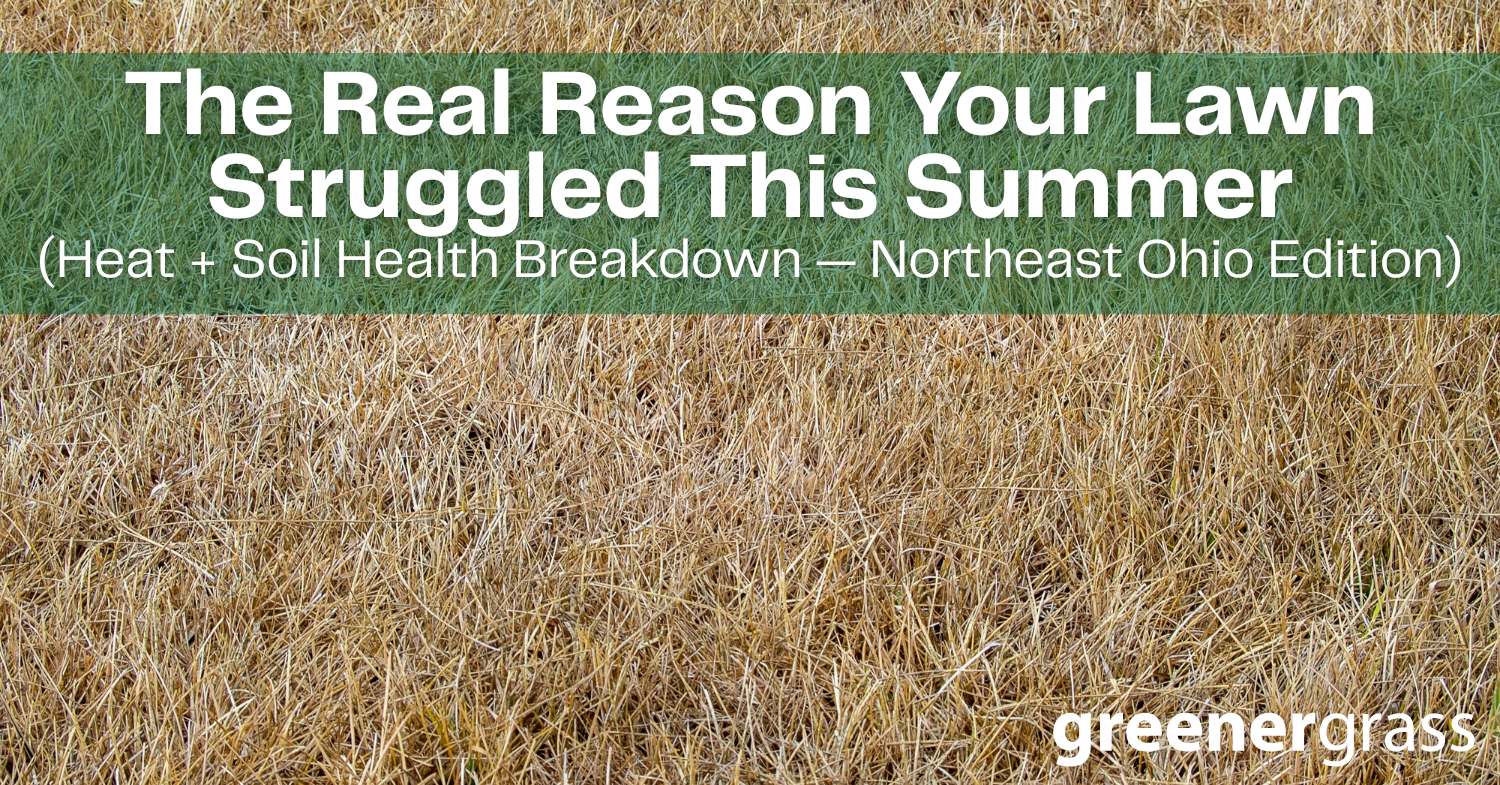
If your lawn didn’t look its best this year, you’re not alone. Conditions across Northeast Ohio this past summer made it tough for lawns, especially cool-season grasses like Kentucky bluegrass and tall fescue.
Here’s what happened — and what you can do about it.
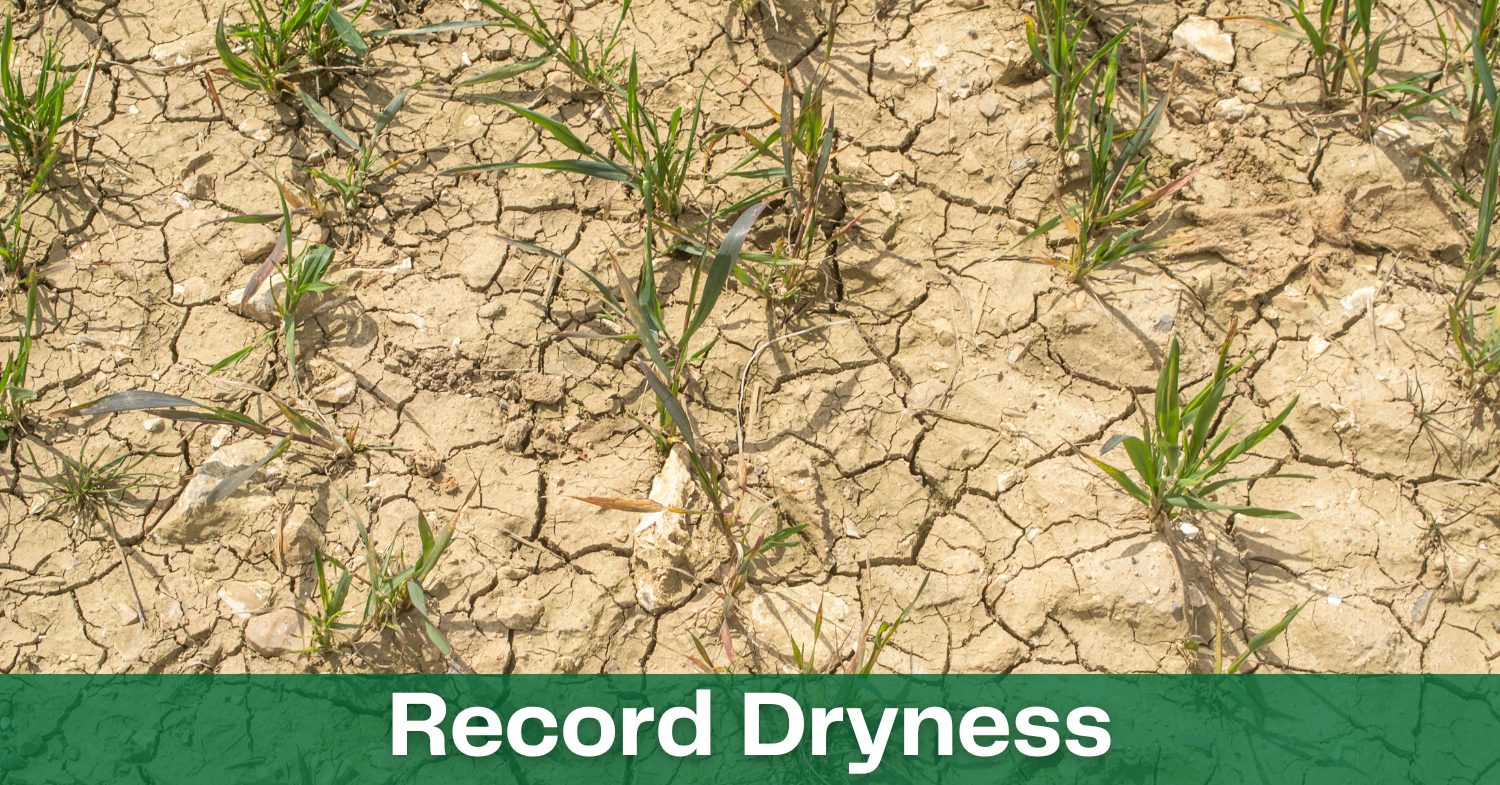
1. Record Dryness in the Region
Even though temperatures in the Akron area were fairly average (highs near 81°F, lows around 62°F), rainfall was far below normal.
At Akron‐Canton Airport, just 0.19 inches of rain fell in August — a record low for the month and the driest single month ever recorded at the airport since the late 1800s.
For comparison, the average August rainfall is about 3.61 inches. That’s more than 3.4 inches below average, and for the entire meteorological summer (June 1–Aug 31), the area only received 7.7 inches of rain — nearly 4.4 inches below normal.
According to the U.S. Drought Monitor, more than half of Ohio was considered “abnormally dry” as of late August.
What this means for your lawn: Less water, more stress, and a higher likelihood that soil health was compromised.
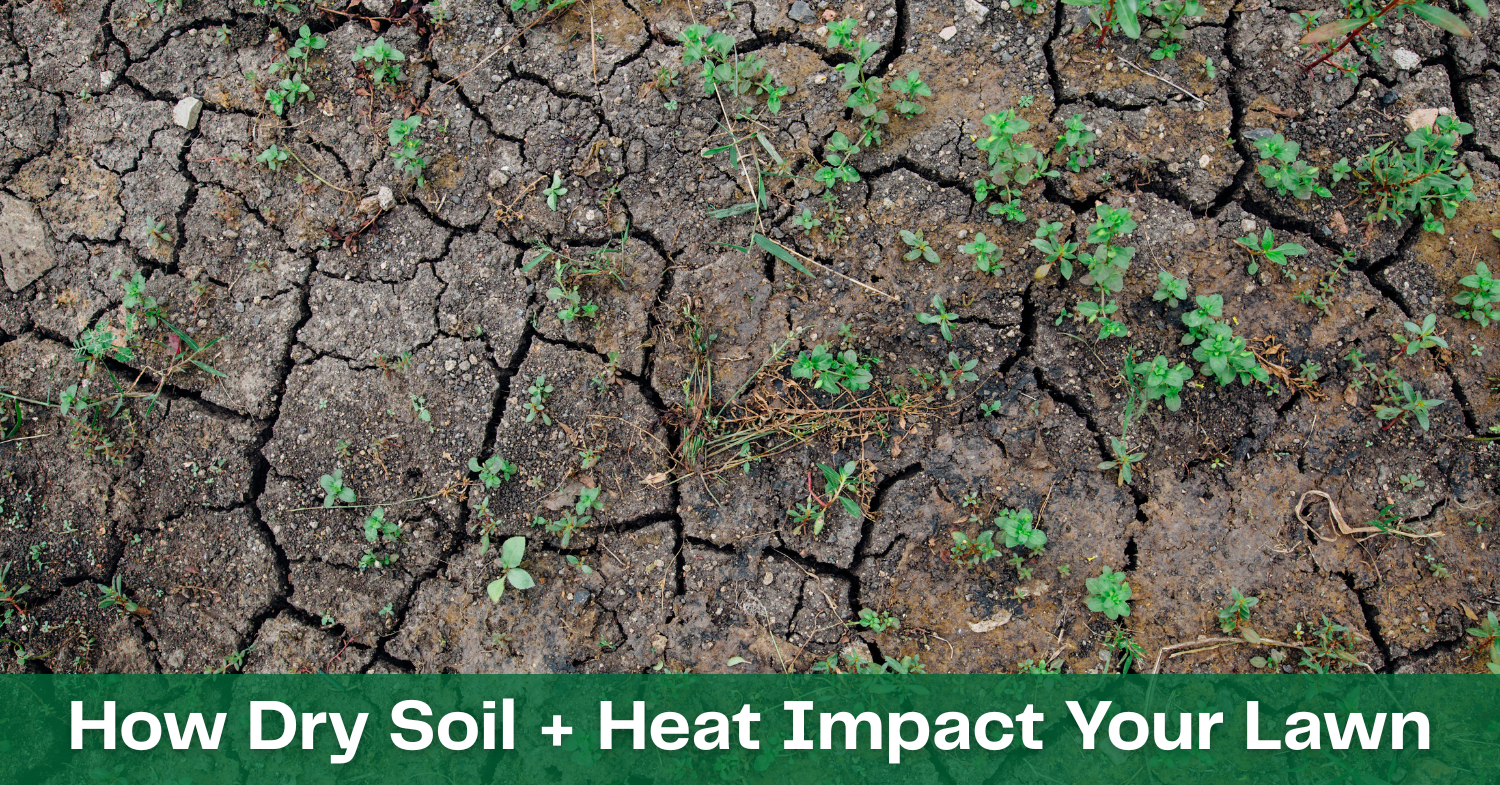
2. How Dry Soil + Heat Impact Your Lawn
When a lawn doesn’t get enough water — especially under these conditions — several issues can occur:
-
Root stress and limited growth: Minimal rainfall reduces soil moisture, forcing roots to work harder to find water. If they can’t reach it, growth slows, and turf becomes weaker.
-
Increased susceptibility to weeds, pests, & disease: A stressed lawn has fewer nutrients, less competition against weeds, and invites pests or fungal issues.
-
Shade and soil-type disadvantages: Thin soil over rock, heavy clay, or poor drainage magnifies stress. Compacted soil prevents roots from accessing stored moisture.
-
Poor soil health compounds problems: Soil low in organic matter, improperly aerated, or off-balance in pH has less ability to hold water or deliver nutrients — meaning even “average” conditions become difficult for turf.
3. Why “Normal” Temperatures Didn’t Help
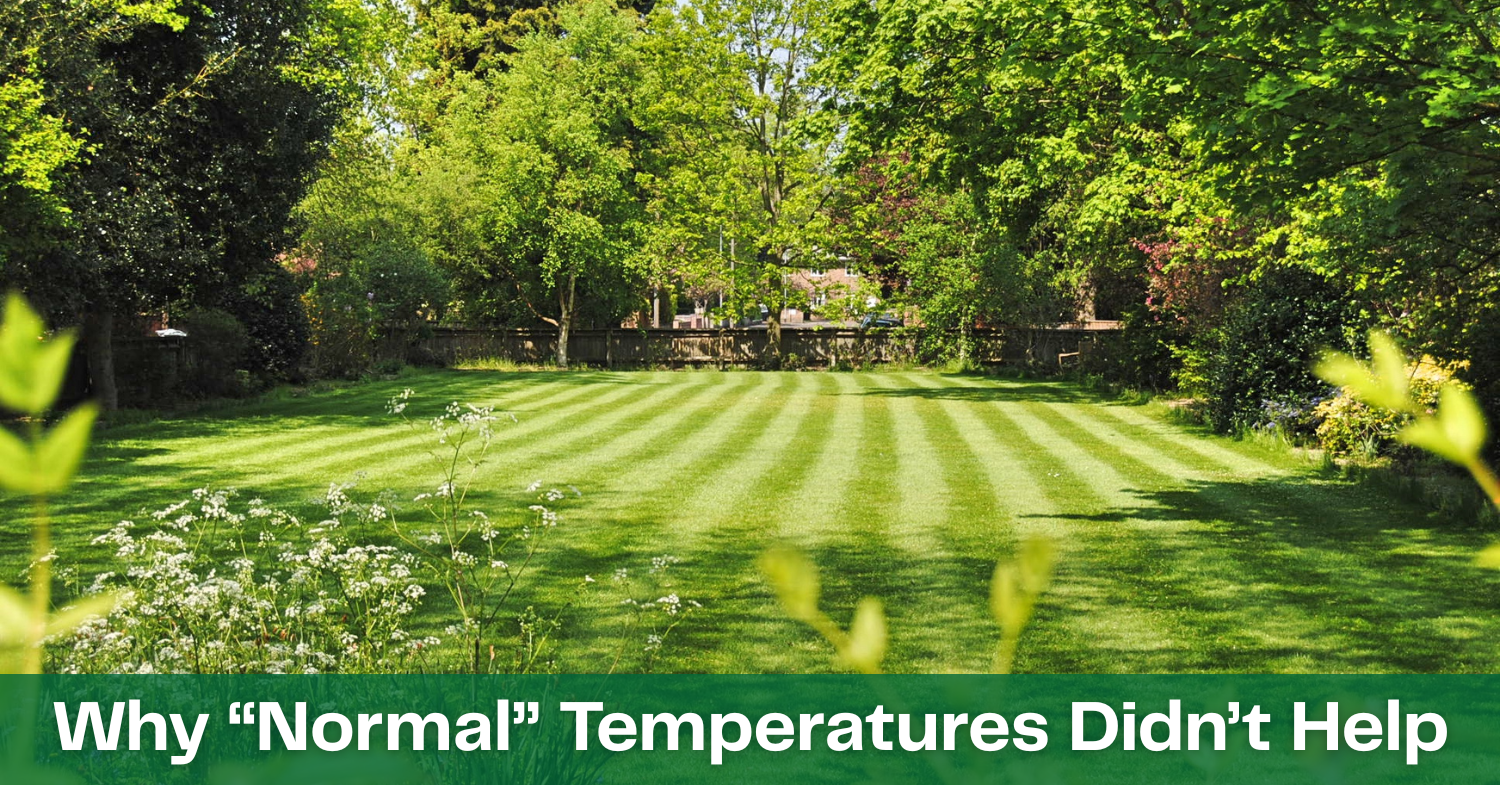
You might ask: “If temps were only around 81°F, why did my lawn still struggle?”
Air temperature isn’t the only factor. The soil environment is critical. Even with moderate temperatures, dry soil limits root activity and nutrient uptake.
Your lawn may have looked fatigued not because of extreme heat, but because it was deprived of moisture and soil health was challenged.
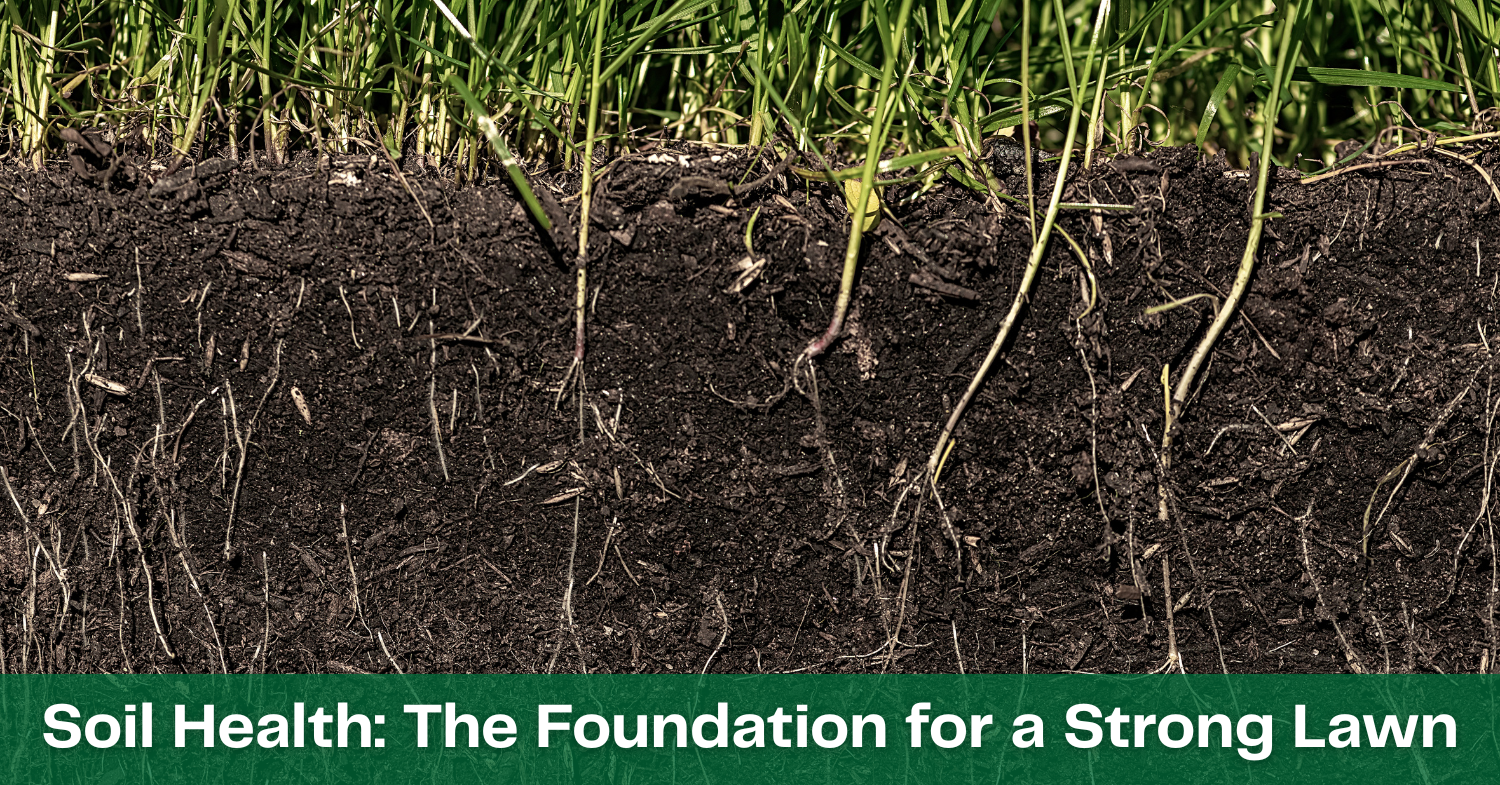
4. Soil Health: The Foundation for a Strong Lawn
Soil health is everything. Here are key issues that impacted lawns this summer:
| Soil Issue | Impact on Drought Stress |
|---|---|
| Compaction/Thatch | Prevents roots from penetrating deeply; water can’t reach roots easily. |
| Low organic matter | Reduces the soil’s “sponge effect” — less moisture retention. |
| Incorrect pH | Nutrients are harder for grass to absorb; stress increases. |
| Shallow root zones / poor root structure | Grass can’t tap into deeper, cooler, moister soil. |
Lawns with healthy soil fared much better than those with these challenges.
5. What You Can Do Now — Fall Recovery Steps
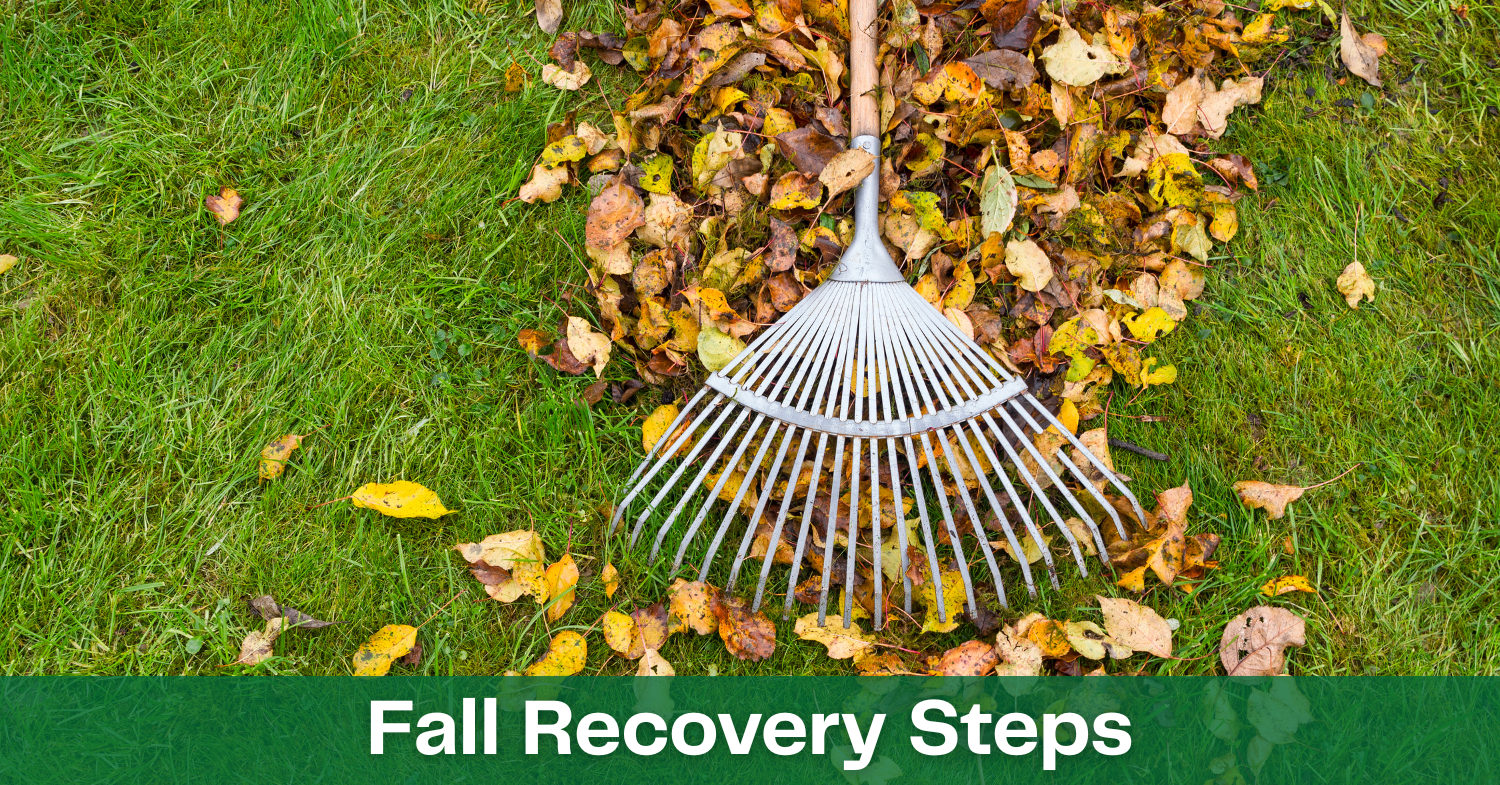
The good news? Fall is still an excellent time to rebuild your lawn and prepare for spring. Here’s how:
1. Aeration & Overseeding
Break up compaction so roots can spread and access deeper moisture. Overseeding fills thin spots, helping your lawn crowd out weeds and build density over winter.
2. Correct Soil pH & Fertilize for Root Growth
Adjusting soil pH now gives your lawn a head start for spring growth. For Northeast Ohio, the ideal pH range is 6.2–6.8. Fertilizing now strengthens roots and stores energy for early spring green-up.
3. Deep Watering & Proper Mowing Height
If rain remains scarce, use deep but infrequent watering (early morning, enough to wet several inches of soil). Keep mower height around 3–3½ inches so grass shades itself and retains moisture.
6. Why Working with a Pro Pays Off
DIY fixes can help, but a professional lawn care team like Greener Grass Organic Lawn Care brings real value:
-
Soil testing: pH, compaction, drainage, and root depth — pinpointing the exact problem.
-
Corrective treatments at the right time: Especially fall treatments like pH adjustment, aeration, and winterizer fertilizer.
-
Ongoing monitoring: Adjusting strategies with weather variability to keep your lawn healthy year-round.

7. Let’s Get Your Lawn Back in Shape
If your lawn went brown, thin, or patchy this summer, it’s not too late. With the right soil health strategy and fall preparations, your lawn can bounce back stronger next spring.
At Greener Grass, we can:
-
Diagnose why your lawn struggled
-
Implement pH, aeration, fertilization, and water strategies
-
Set your turf up for a lush, resilient spring lawn
✅ Schedule your lawn assessment today and give your lawn the foundation it truly deserves.