
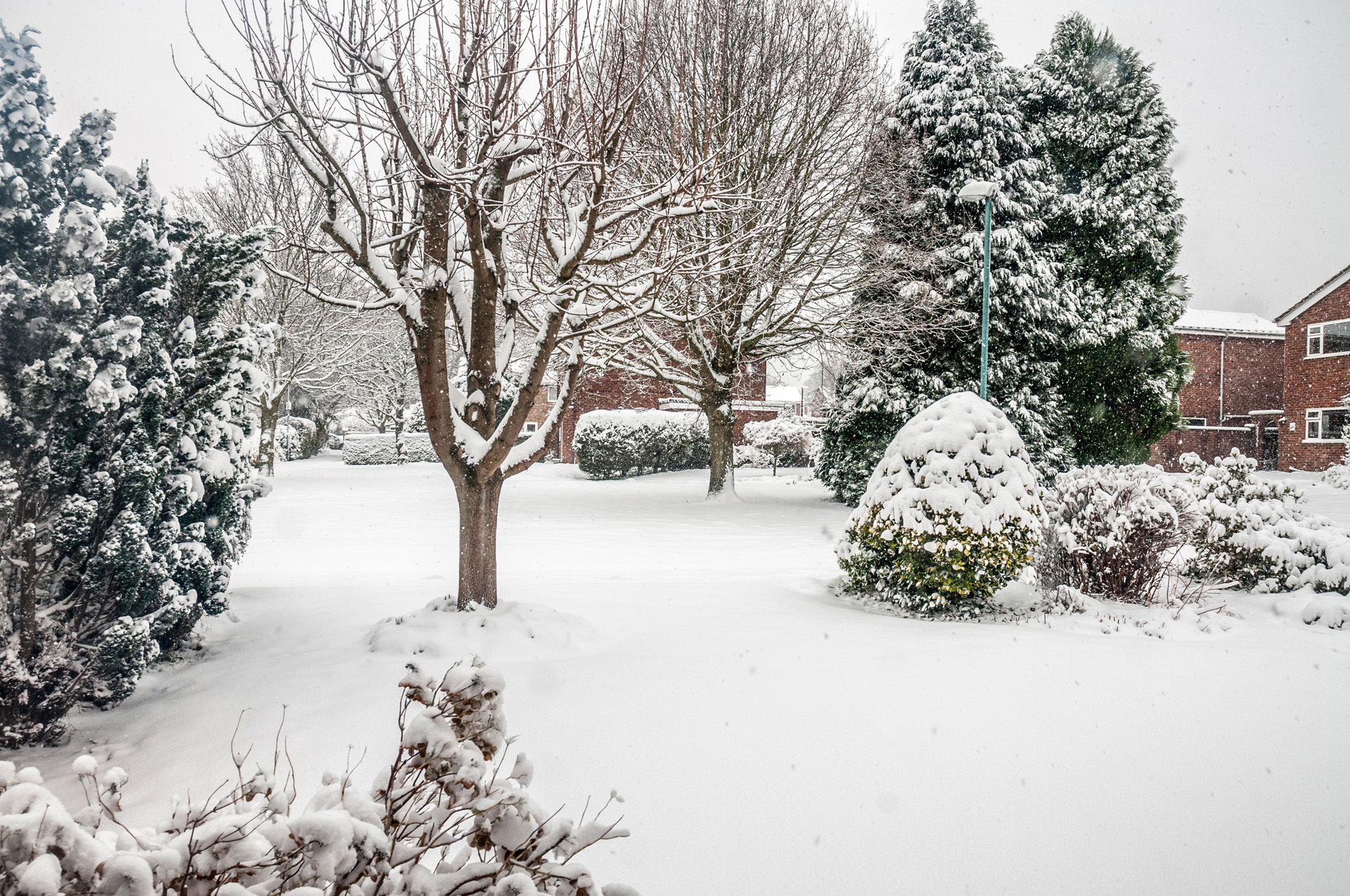
As the temperatures drop and the snow begins to fall, it’s tempting to put lawn care on the back burner. After all, grass growth slows down, and the landscape seems dormant. However, neglecting your lawn during the winter months can lead to challenges when spring arrives. For Ohio homeowners, winter provides the perfect opportunity to prepare your lawn for a lush, green comeback. With strategic care practices, you can protect your lawn from seasonal stress and ensure it thrives when the weather warms.
Key Winter Lawn Care Practices
- Late-Season Fertilization
- Applying a final round of fertilizer before the ground freezes strengthens grass roots. A nitrogen-rich formula feeds the lawn through winter dormancy, ensuring a quicker green-up in spring.
- Aeration for Better Soil Health
- Compacted soil struggles to retain nutrients, water, and air. Fall aeration—performed in September or early October when grass is still actively growing—improves soil structure and prepares it to absorb moisture from melting snow. Avoid aerating in early winter as frozen ground can damage equipment and reduce the effectiveness of the treatment. Fall aeration allows time for the grass to recover and strengthens root systems before winter dormancy sets in.
- Overseeding for Thick, Healthy Grass
- Adding grass seed before winter takes hold helps fill in bare patches. The seed lies dormant through winter and germinates in early spring, creating a thick, weed-resistant turf.
- Weed Control Planning
- While winter itself isn’t the time to apply pre-emergent herbicides, planning ahead is key. Target applications for late winter or early spring, once soil temperatures consistently reach 50°F, to stop weeds like crabgrass before they sprout. In Ohio, this typically occurs between late March and early April. Consider using a soil thermometer or checking with your local extension office to ensure proper timing for maximum effectiveness.
- Pest Prevention
- Grubs and other pests can overwinter in your lawn, causing damage when they become active in spring. Treatments targeted at grub control during the fall or early winter can prevent this cycle.
These practices—fertilizing, aerating, overseeding, planning weed control, and managing pests—are critical for maintaining a strong, healthy lawn. Each step builds on the next to ensure your yard is prepared to thrive after winter’s chill.
Preparing Your Lawn for Snow and Ice
Ohio’s snowy winters bring specific challenges for lawns. Ice and heavy snow accumulation can suffocate grass, while road salt and de-icing chemicals may harm your turf. Here’s how to minimize damage:
- Clear Snow Strategically
Avoid piling snow onto your lawn when shoveling driveways and walkways. Excessive snow cover can lead to fungal diseases like snow mold. - Protect Against Salt Damage
Protect your lawn from winter salt damage by using lawn-safe de-icing products and creating buffer zones between salted areas and grass edges.
Managing snow and ice impact during winter is just as important as proactive lawn care. By addressing snow piling and salt damage, you’re protecting your lawn from stressors that could hinder its spring recovery.
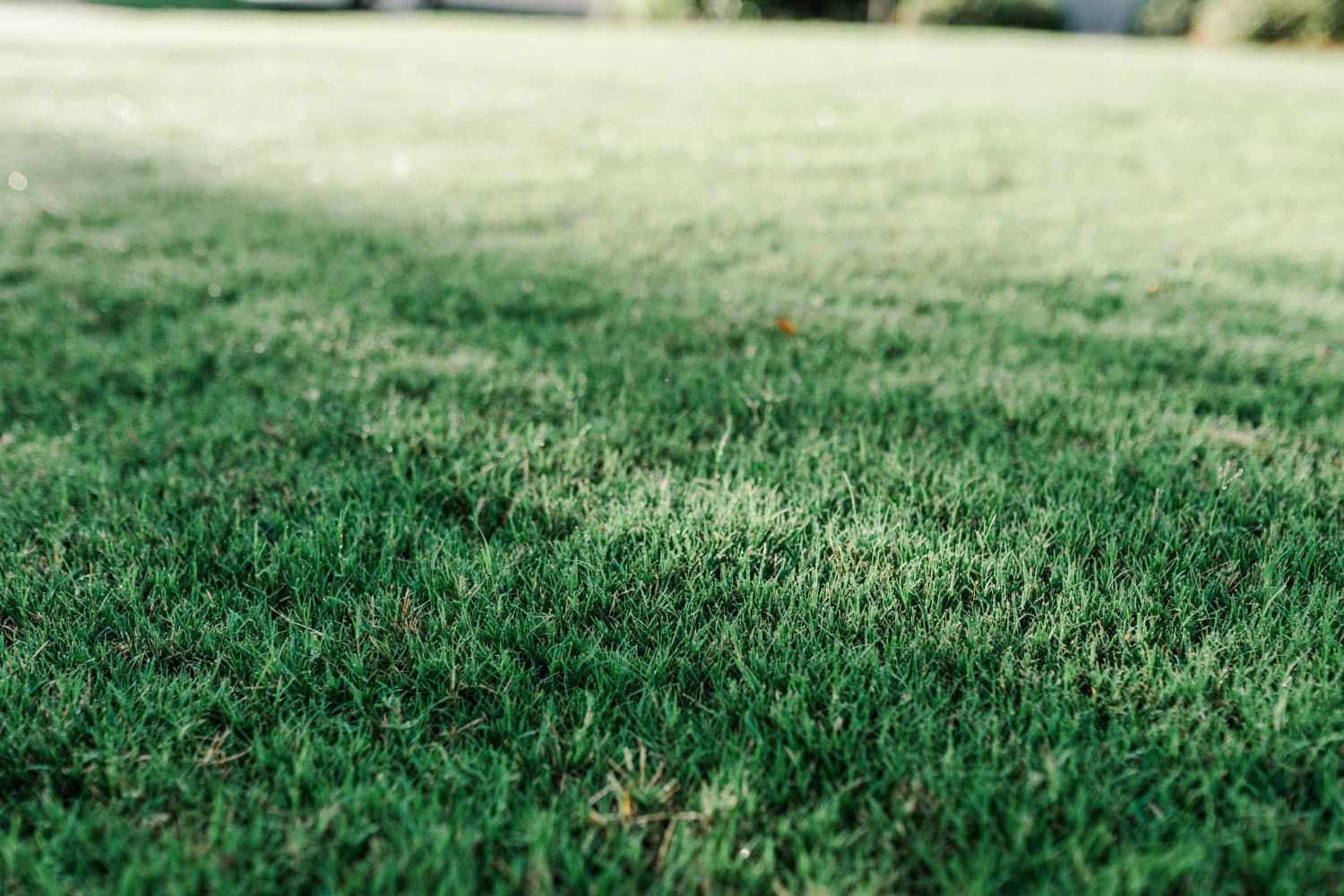
Post-Winter Recovery Tips
Once the snow melts, your lawn care routine transitions into recovery mode. Here’s what to prioritize as the weather warms:
- Rake and Remove Debris: Clear away leaves and debris to prevent mold and improve airflow.
- Inspect for Bare Spots: Look for thin areas that might need overseeding or additional care.
- Test Soil pH Levels: If your lawn struggled in previous seasons, a soil test can identify nutrient deficiencies or pH imbalances to address in spring.
With a few focused recovery steps, your lawn will bounce back from winter dormancy. Clearing debris, addressing bare spots, and testing your soil create the perfect foundation for spring growth.
Winter Lawn Equipment Maintenance
Winter is not only the perfect time to care for your lawn but also to ensure your lawn care equipment is in top condition. Neglecting your tools during the off-season can lead to costly repairs or inefficient performance when spring rolls around. Here are a few steps to keep your equipment ready:
- Clean and Inspect Your Tools
- Before storing lawnmowers, trimmers, and other equipment, thoroughly clean them to remove dirt, grass clippings, and debris. Check for any signs of damage or wear, such as dull blades or frayed cords.
- Sharpen and Oil Blades
- Lawn mower and trimmer blades dull over time, which can tear grass instead of cutting it cleanly. Sharpening blades during the winter ensures you’re ready for precise mowing in spring. Apply a light coating of oil to prevent rust.
- Drain or Stabilize Fuel
- Leaving fuel in your mower’s tank during winter can cause clogging or damage. Either drain the fuel completely or add a fuel stabilizer to keep it fresh.
- Change Filters and Oil
- Just like a car, your lawn mower benefits from routine maintenance. Replace oil and air filters during winter so your mower runs efficiently when you need it.
- Store Properly
- Keep your equipment in a dry, sheltered area to prevent rust or damage from moisture. If possible, cover larger tools like mowers with a protective sheet to keep dust and dirt at bay.
Taking the time to maintain your equipment during winter not only prolongs its life but also ensures it operates efficiently when spring lawn care begins. Properly maintained tools make it easier to achieve a well-manicured lawn.

A Healthier Lawn Starts in Winter
Winter may seem like a quiet time for lawn care, but it’s a crucial season for building the foundation of a healthy lawn. By fertilizing, aerating, maintaining your equipment, and preparing for spring weed and pest control, you’re taking proactive steps that will save time and effort in the growing season. Additionally, managing snow and ice impact will keep your lawn protected through Ohio’s harsh winter conditions.
When spring arrives, the care you invest now will pay off in a greener, thicker, and more resilient lawn. Ready to get started? Contact (330) 648-4508 Greener Grass today at for expert lawn care services tailored to your yard’s needs. Let us help you prepare for a lawn that’s the envy of the neighborhood!