
April Lawn Care Tips for Northeast Ohio: Fertilization, Weeds, and Growth
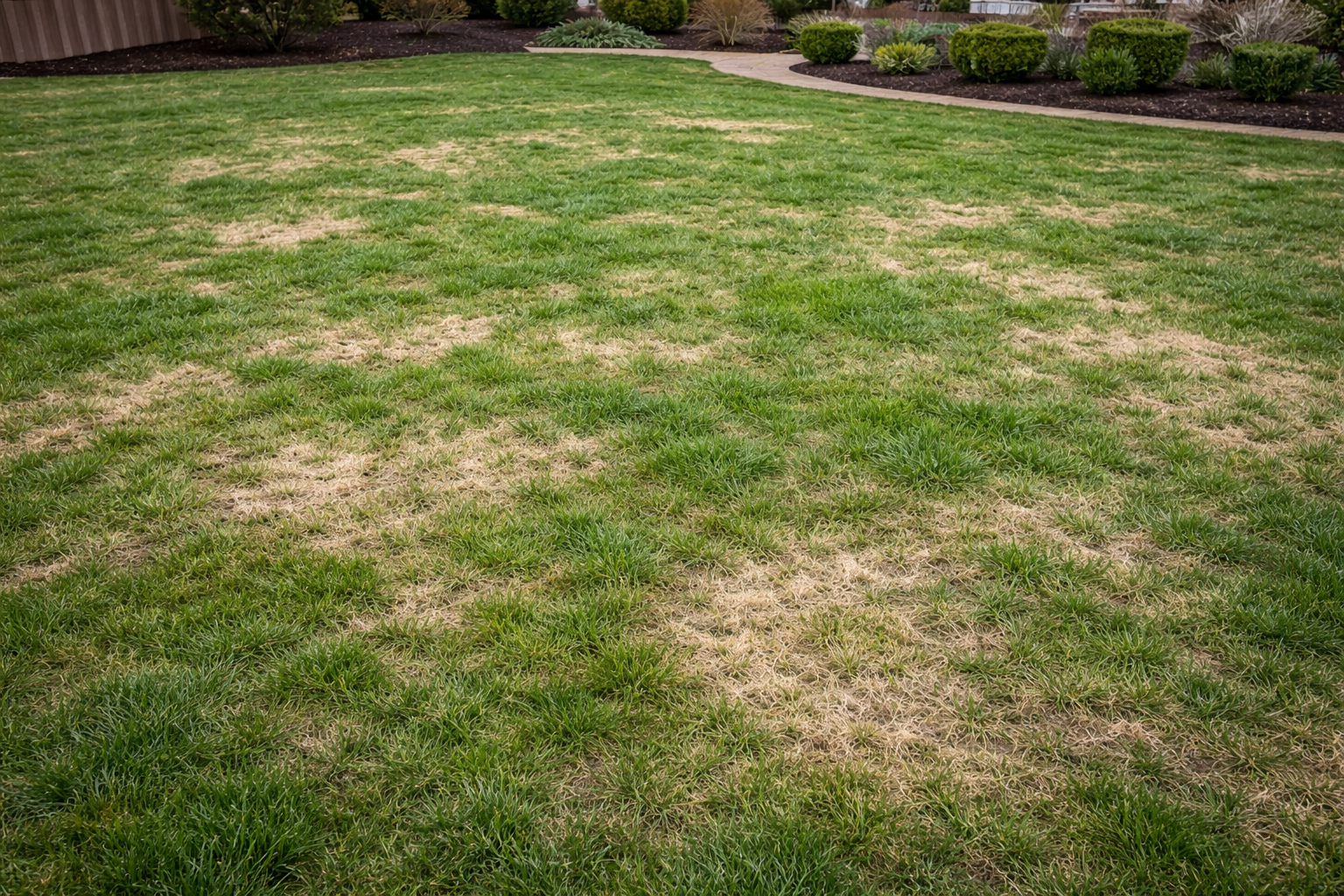
April is one of the most important months for lawn care in Northeast Ohio. After a long winter, lawns around Canton, Akron, Massillon, and the surrounding areas are waking up, and what you do now can shape the rest of the season. Spring weather in Ohio can be unpredictable, with chilly nights, late frosts, and heavy rain all arriving in the same week. That makes April the perfect time to focus on the basics: feeding the grass at the right time, staying ahead of weeds, mowing properly, and avoiding mistakes that can slow spring recovery.
For homeowners who want a healthier yard without going heavy on chemicals, this month is all about timing, observation, and consistency. A thoughtful lawn care plan in April can help your grass thicken up, green up naturally, and build strength for the hotter months ahead.
When to Fertilize Your Lawn in April
Timing matters more than many homeowners realize. In Northeast Ohio, cool-season grasses like Kentucky bluegrass, perennial ryegrass, and tall fescue typically wake up in spring once soil temperatures rise. That usually means mid- to late April is a good time for a light spring feeding, depending on the weather.
The goal is not to push excessive top growth too early. Instead, you want to support root development, recovery from winter stress, and steady spring green-up. A balanced fertilizer application can help your lawn regain color and density after winter, but overdoing it can lead to rapid growth that is harder to maintain and more vulnerable to stress later in the season.
At Greener Grass, we focus on lawn care that supports the lawn naturally and avoids blanket chemical applications. That approach works especially well in spring, when the lawn is still adjusting to changing temperatures and moisture levels.
Weed Emergence Starts Fast in Spring
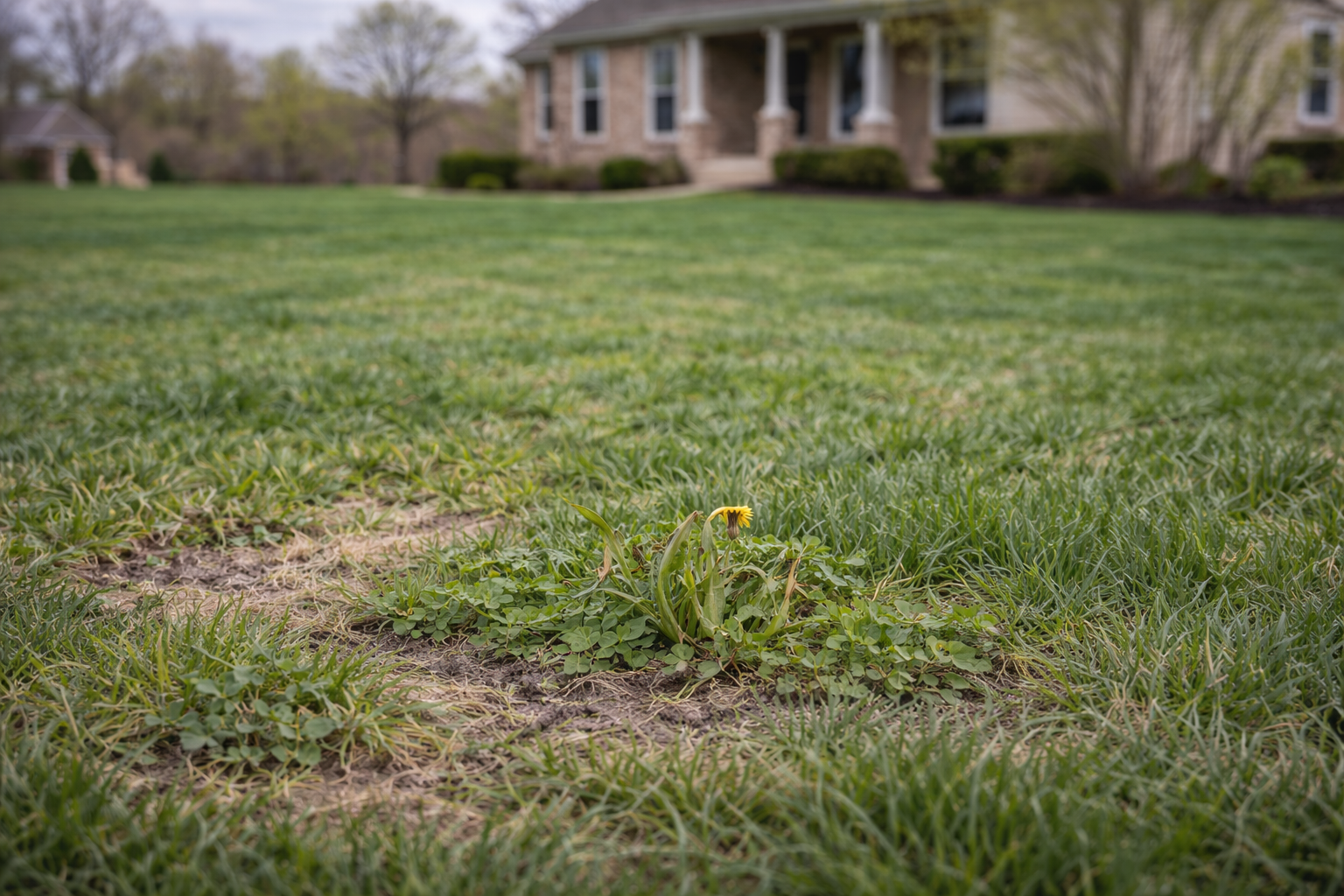
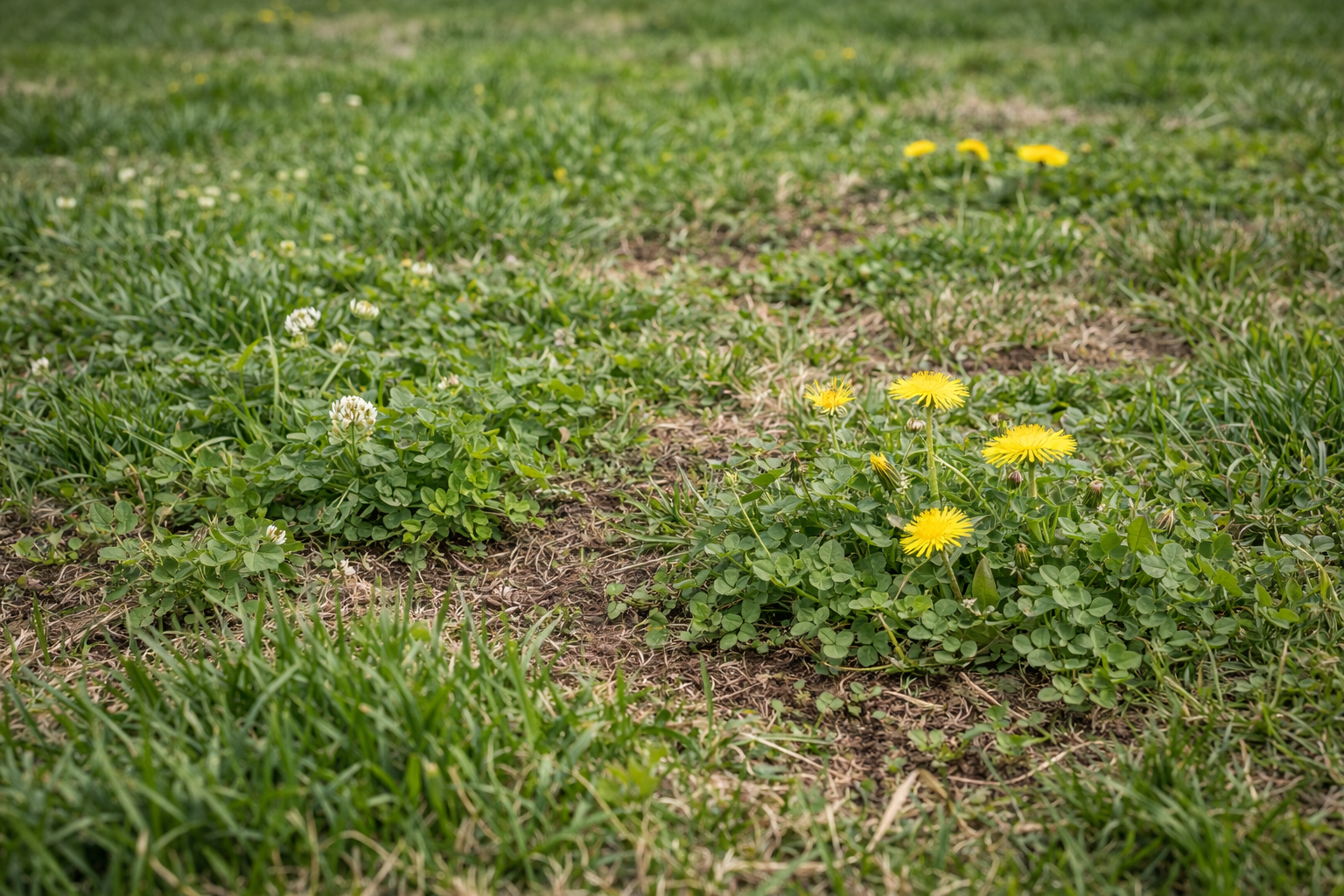
April is also when weeds begin showing up in force. Crabgrass, chickweed, henbit, clover, dandelions, and other common Ohio lawn weeds tend to emerge as the soil warms and moisture increases. Once they appear, they can spread quickly if the lawn is thin or weak.
The best weed prevention strategy is a healthy, thick lawn. A dense turf canopy naturally makes it harder for weeds to take hold. Spot treating visible weeds can help control problem areas without treating the entire yard unnecessarily. That is especially important for homeowners looking for a more organic lawn care approach.
If you are seeing weeds now, that is normal for April. The key is to act early, before they mature and begin competing heavily with your grass.
What Height Should You Mow in Spring?
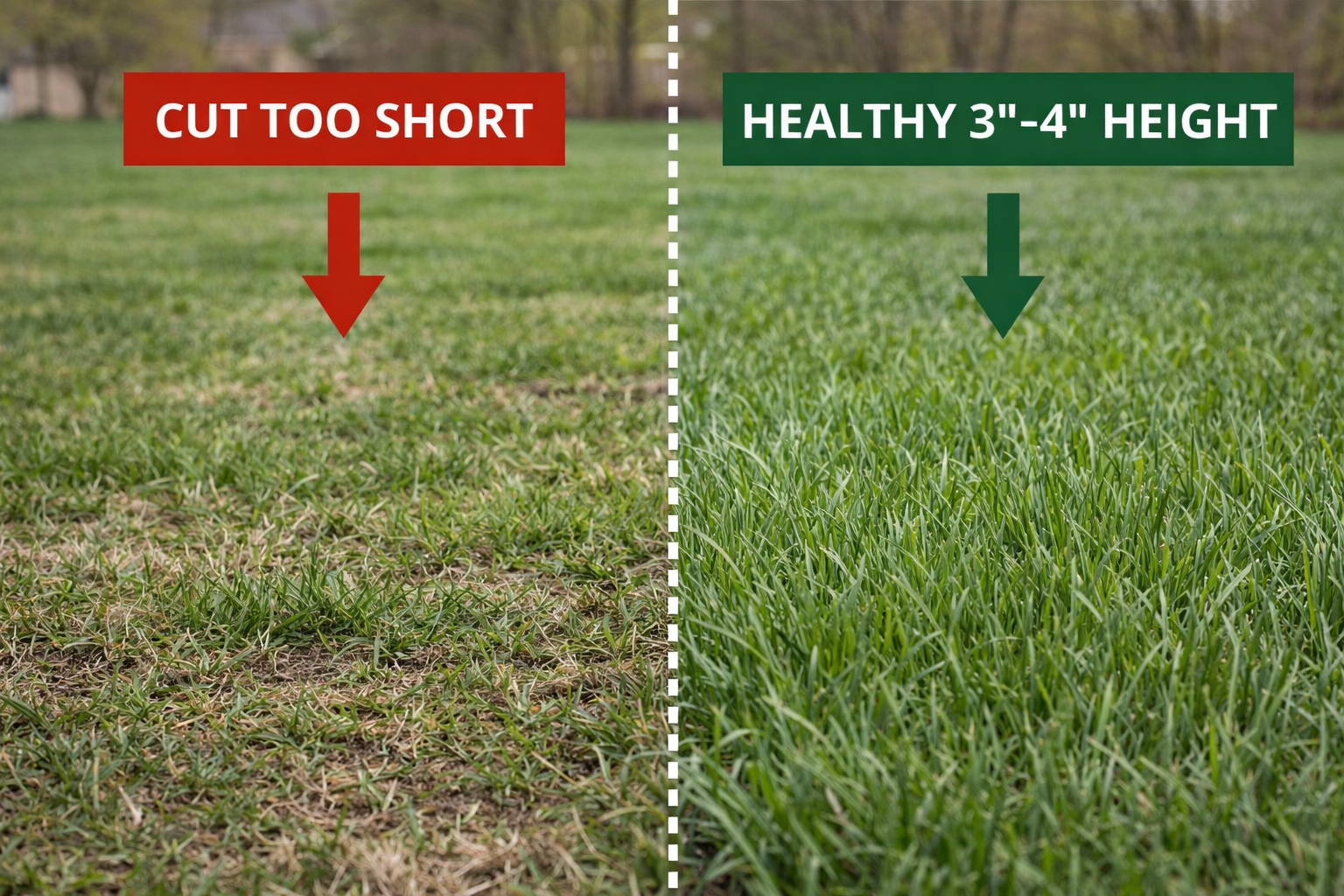
Spring mowing is often where good intentions go wrong. Many people cut the lawn too short because they want it to look neat after winter. In reality, shorter mowing can stress the grass and make weeds easier to establish.
For most Northeast Ohio lawns, a mowing height around 3 to 4 inches is a smart target in April. Taller grass shades the soil, helps retain moisture, and supports deeper roots. It also gives the lawn a better chance to outcompete weeds.
A simple rule of thumb: never remove more than one-third of the grass blade at a time. If the lawn has grown quickly after rain, mow it in stages if needed. Sharp blades matter too. A clean cut reduces stress and helps the lawn recover faster.
How to Handle Late Frosts and Cold Snaps
Ohio spring weather can turn overnight. A warm weekend can be followed by a frost warning just a few days later. That kind of fluctuation can slow growth, delay recovery, and leave new grass looking patchy or pale.
If a late frost is in the forecast, avoid aggressive fertilizing or overseeding right before the cold snap. Newly stressed grass is more vulnerable to damage. Give the lawn time to adjust, and wait until the weather pattern becomes more stable before making major moves.
Cold snaps are frustrating, but they are part of spring lawn care in Northeast Ohio. Patience pays off.
-
Increased ability to crowd out weeds
Balanced fertilization also supports the cool-season grass types common across Canton, Medina, Massillon, and Wadsworth, helping them grow stronger throughout the spring and summer months.
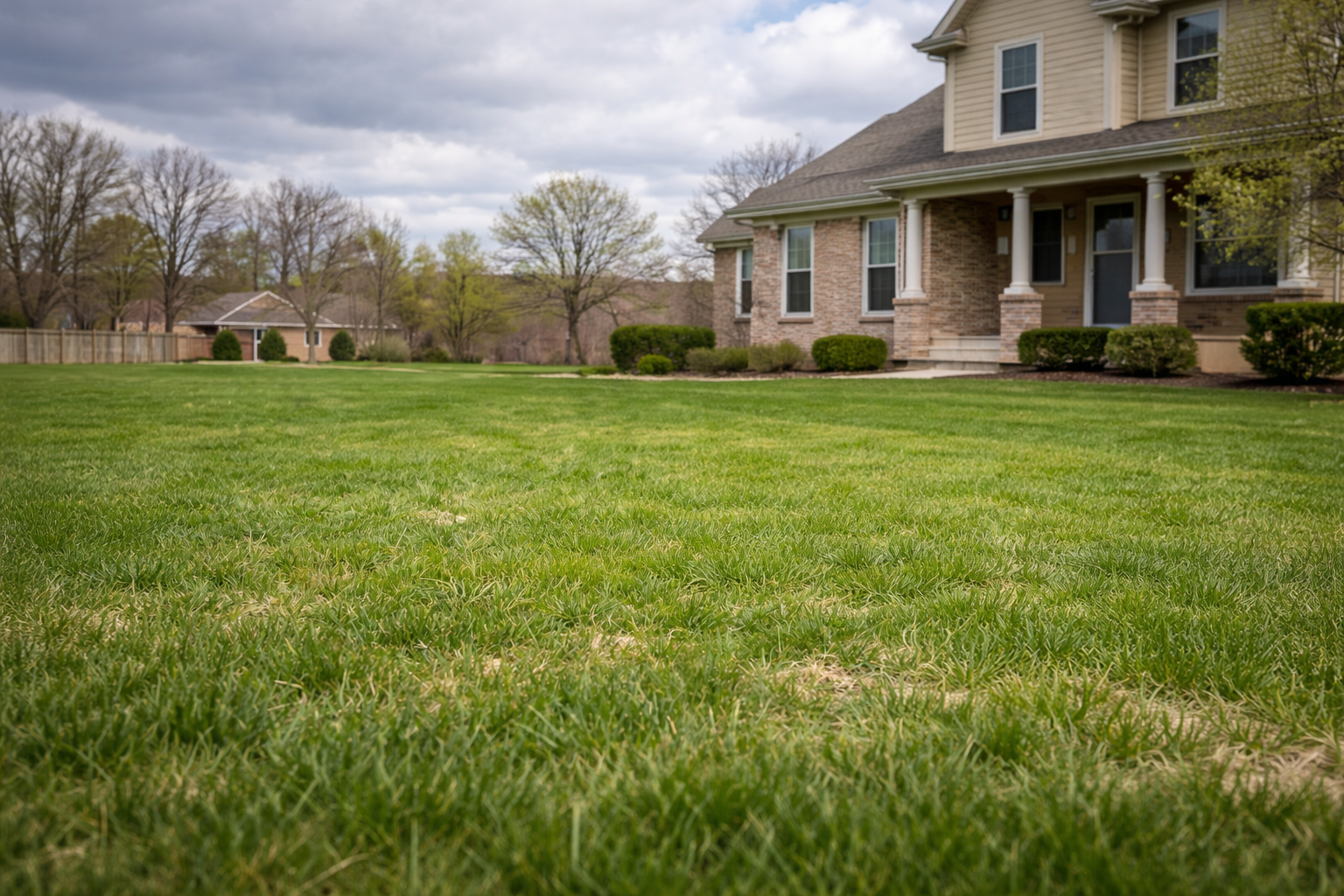
Targeted Weed Control Prevents Early Spring Takeover
Weed control is another critical part of spring lawn care in Northeast Ohio.
When lawns are thin or stressed after winter, invasive plants quickly move in. Once weeds become established, they compete with grass for sunlight, water, and nutrients.
Professional weed control programs target weeds before they become a widespread problem.
Early season treatments help prevent aggressive weeds such as:
-
Crabgrass
-
Dandelions
-
Clover
-
Chickweed
-
Broadleaf weeds
Preventative weed control works best when combined with healthy turf growth. As grass becomes thicker and denser, it naturally crowds out weeds and prevents them from spreading.
For homeowners throughout Stark County and Medina County, early weed control can dramatically reduce lawn maintenance throughout the rest of the season.
Too Much Rain Can Be Just as Challenging
Spring rain is good for lawns, but too much of it creates other issues. Saturated soil can cause compaction, limit oxygen flow to the roots, and make mowing difficult. If your yard stays soggy, avoid walking on it too much, and do not mow when the ground is soft enough to leave deep ruts.
Heavy rain can also wash away seed, fertilizer, or soil amendments if they are applied at the wrong time. The best approach is to watch the forecast and plan applications around a dry window when possible.

Why Many Homeowners Choose Professional Lawn Care
While some homeowners attempt DIY lawn care using store-bought products, professional lawn care programs often produce better results.
Professional lawn care offers several advantages.
Proper Seasonal Timing
Applications are scheduled based on local climate patterns and turf growth cycles common to Northeast Ohio.
Precision Applications
Professional products are applied at the correct rates to maximize results while minimizing unnecessary treatments.
Consistency
Regular lawn care treatments help maintain turf health and prevent small problems from becoming larger issues.
Long-Term Lawn Health
Rather than focusing on short-term cosmetic improvements, professional lawn care programs aim to build stronger, healthier lawns over time.
For many homeowners in Canton, Medina, Wadsworth, and Massillon, professional lawn care saves time while delivering more consistent results.

April Lawn Care Checklist for Northeast Ohio
The best April lawn care plan is simple: feed lightly if conditions are right, mow high, spot treat weeds, and avoid stressing the turf during cold or soggy weather. Keep an eye on soil moisture, grass color, and weed pressure. Every lawn is a little different, but the overall goal is the same: help the lawn wake up strong without overworking it.
If your yard is showing signs of patchiness, weed pressure, or winter stress, April is the month to get ahead of it.
-
Green
-
Jackson Township
-
Canal Fulton
And many surrounding neighborhoods throughout Stark County, Summit County, and Medina County.
Because our focus is local, we understand the soil conditions, climate patterns, and turf challenges that are unique to lawns in Northeast Ohio.

Final Thoughts
A healthy Northeast Ohio lawn starts with smart spring decisions. Fertilizing at the right time, mowing at the right height, and staying ahead of weeds can make a major difference by summer. Because April weather in Ohio can shift quickly, the best lawn care approach is flexible and responsive.
For homeowners in Canton and surrounding communities who want a cleaner, more natural lawn care plan, April is the month to set the tone for the season.