
Understanding the Autumn Pest Challenge for Ohio Homeowners
As autumn descends upon the Buckeye State, Ohio homeowners face a hidden threat to their carefully tended lawns. Fall pests, though small in size, can cause significant damage to turf if left unchecked. This guide aims to equip Ohio residents with the knowledge and strategies needed to identify, prevent, and control common fall lawn pests, ensuring their green spaces remain healthy throughout the season and beyond.
Identifying and Managing Ohio’s Most Prevalent Fall Lawn Pests
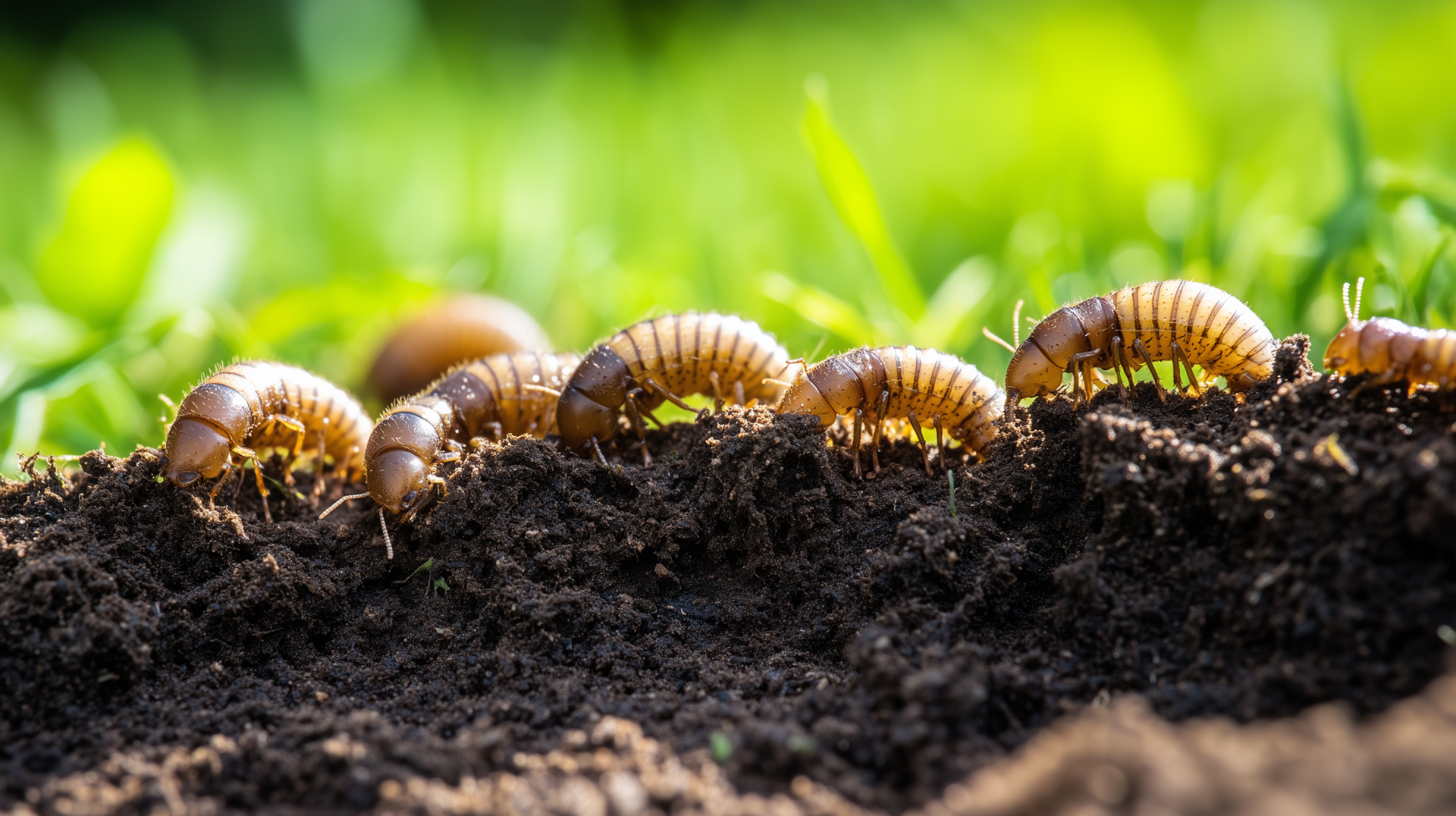
Grubs: The Subterranean Threat to Grass Roots
Grubs, the larvae of Japanese beetles and June bugs, pose a serious threat to Ohio lawns by feeding on grass roots.
Identification Signs:
- Brown, dying patches of grass that feel spongy underfoot
- Turf that easily pulls up, revealing a lack of root structure
- Increased activity of skunks and raccoons digging in the lawn
Effective Control Methods:
- Application of beneficial nematodes in late summer or early fall
- Use of targeted insecticides containing imidacloprid or halofenozide for severe infestations
Preventative Strategies:
- Maintain grass at a height of 2.5-3 inches for most Ohio turf varieties
- Practice deep, infrequent watering to promote robust root systems
- Reduce irrigation in late summer to make soil less attractive to egg-laying beetles
Chinch Bugs: Tiny Sap Suckers with a Big Impact
Chinch bugs thrive in Ohio’s hot, dry spells, causing damage by extracting sap from grass blades.
Identification Signs:
- Irregular yellowing or browning patches, particularly in sunny areas
- Presence of small black bugs with white wings at the thatch layer
Effective Control Methods:
- Application of insecticidal soap or neem oil for minor infestations
- Use of bifenthrin or cyhalothrin for severe cases, following Ohio state regulations
Preventative Strategies:
- Maintain thatch at less than 1/2 inch thickness
- Overseed with endophyte-enhanced perennial ryegrass or fescues
- Implement a balanced fertilization program to maintain lawn vigor
Armyworms: The Voracious Grass Defoliators
Armyworms can rapidly devastate Ohio lawns, often causing noticeable damage overnight.
Identification Signs:
- Sudden appearance of brown, closely cropped grass patches
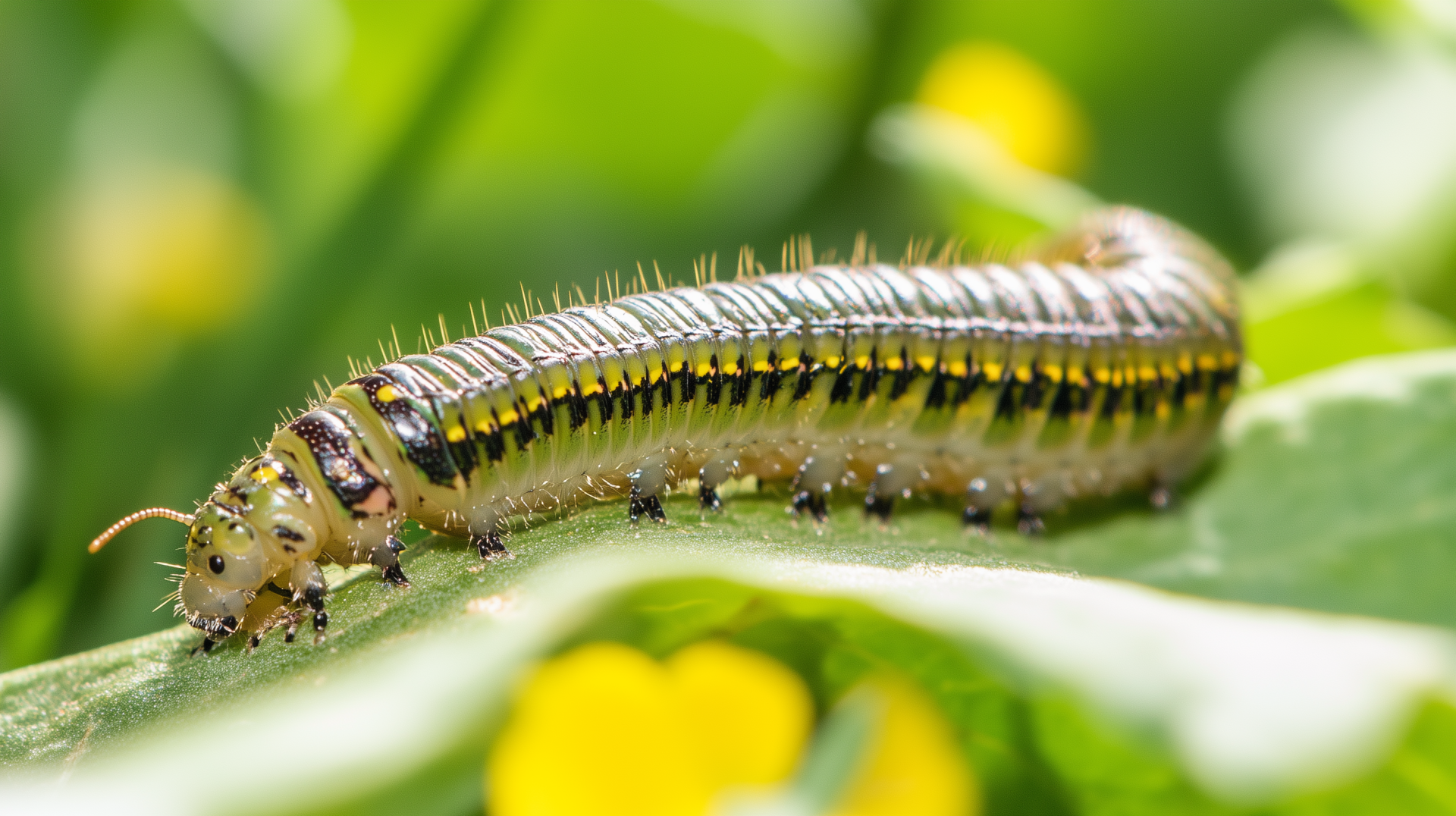
- Presence of dark, striped caterpillars, especially in early morning or evening
- Increased bird activity on the lawn
Effective Control Methods:
- Application of Bacillus thuringiensis (Bt) as an eco-friendly option
- Use of carbaryl or spinosad for severe infestations
Preventative Strategies:
- Regular lawn monitoring, particularly in late summer
- Maintaining proper grass height to deter egg-laying moths
- Utilization of pheromone traps for early detection
Sod Webworms: The Nocturnal Grass Feeders
Sod webworms create silk-lined tunnels in the thatch and feed on grass blades under the cover of darkness.
Identification Signs:
- Small, scattered brown patches throughout the lawn
- Presence of silken tubes in the thatch layer
- Small, gray moths flying in a zig-zag pattern over the lawn at dusk
Effective Control Methods:
- Application of beneficial nematodes or Bacillus thuringiensis
- Use of products containing bifenthrin or deltamethrin for severe cases
Preventative Strategies:
- Reduction of nighttime lighting around the lawn
- Early morning watering to discourage egg-laying
- Cultivation of a diverse lawn with native Ohio grass species
European Crane Flies: The Emerging Lawn Threat
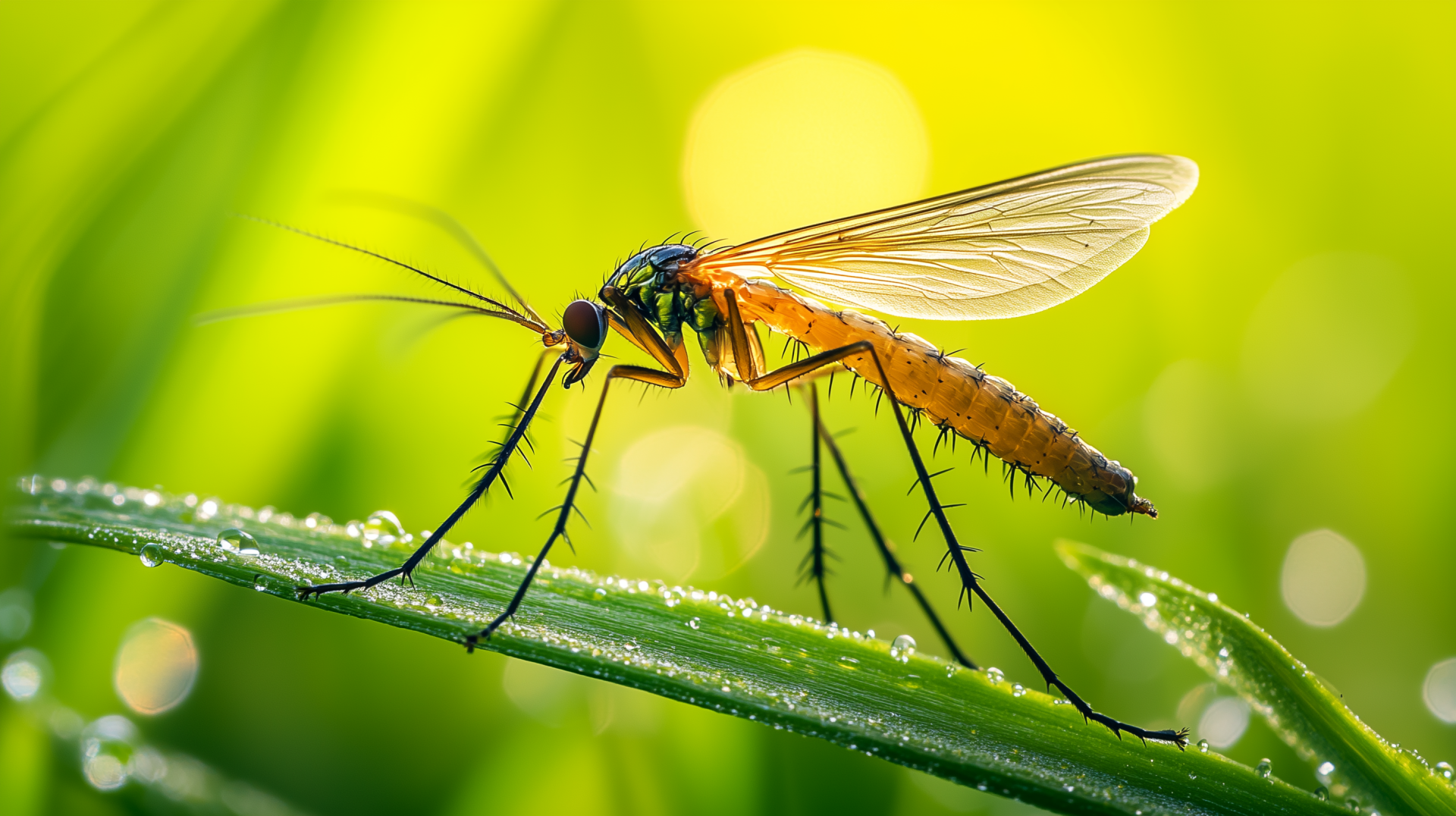
While less common, European crane flies are becoming more prevalent in Ohio lawns. Their larvae, known as leatherjackets, feed on grass roots and crowns.
Identification Signs:
- Thinning grass, especially in shady or moist areas
- Large, mosquito-like insects flying around the lawn in late summer
- Presence of leatherjackets in the soil of affected areas
Effective Control Methods:
- Application of beneficial nematodes in early fall
- Use of imidacloprid or halofenozide for severe infestations
Preventative Strategies:
- Improvement of soil drainage through aeration and proper grading
- Avoidance of overwatering, particularly in late summer and early fall
- Overseeding with resistant grass varieties such as fine fescues
Implementing an Integrated Pest Management Approach for Ohio Lawns
Integrated Pest Management (IPM) offers a holistic approach to lawn care that focuses on long-term prevention of pests through a combination of techniques. This strategy is particularly effective for Ohio’s unique climate and soil conditions.
- Prevention Through Lawn Health: A robust lawn is naturally more resistant to pests. Key practices include:
- Selecting grass varieties well-suited to Ohio’s climate
- Implementing proper watering and fertilization practices
- Enhancing soil health through regular aeration and organic amendments
- Regular Monitoring: Consistent observation allows for early detection of pest issues before they become severe.
- Accurate Pest Identification: Proper identification is crucial for selecting the most effective control methods.
- Establishing Threshold Levels: Determine at what point pest populations or damage levels warrant action.
- Employing Multiple Control Methods: When treatment is necessary, consider a range of options:
- Cultural Controls: Adjust practices to create an environment less conducive to pests.
- Chemical Controls: Apply targeted pesticides to address specific pest issues.
- Evaluating Results: After implementing control measures, assess their effectiveness and adjust strategies as needed.
Ohio Specific Lawn Care Considerations
Ohio lawns face unique challenges that can impact pest management strategies:
- Clay-heavy soils common in Ohio can lead to drainage issues, potentially increasing susceptibility to certain pests.
- Ohio’s variable weather patterns, from hot summers to cold winters, can stress lawns and make them more vulnerable to infestation.
- Climate change is introducing new pest species to Ohio, necessitating adaptive management strategies.
When Professional Intervention May Be Necessary
While many pest issues can be managed through proper lawn care practices, certain signs indicate the need for professional assessment:
- Sudden appearance of large areas of dead or dying grass
- Unusually high activity of birds or small mammals digging in the lawn
- Grass that feels spongy or pulls up easily from the soil
- Noticeable increase in pest insects around the property
Early intervention is key to preventing minor pest problems from escalating into major lawn damage.
Protecting Ohio Lawns: Your Next Steps in Fall Pest Management
As autumn settles over the Buckeye State, maintaining a healthy lawn becomes both a challenge and a source of pride for Ohio homeowners. By understanding the unique threats posed by fall pests like grubs, chinch bugs, and armyworms, you’re already one step ahead in the battle for a lush, green lawn. Remember, the key to effective pest management lies in vigilance, proper lawn care practices, and timely intervention.
Whether you’re dealing with clay-heavy soils in Canton, variable weather patterns in Massillon, or emerging pest species across Stark County, your lawn deserves expert care tailored to Ohio’s specific conditions. If you’re noticing signs of pest infestation or simply want to ensure your lawn remains resilient through the seasons, don’t hesitate to seek professional assistance.
At Greener Grass, we specialize in addressing the unique lawn care needs of Canton and Massillon residents. Our team of local experts is well-versed in the latest integrated pest management techniques and Ohio-specific lawn care strategies. For personalized advice or to schedule a lawn assessment, call us at 330-355-8802 or use our convenient online contact form. Let’s work together to keep your Ohio lawn healthy, vibrant, and pest-free this fall and beyond.