
Is Winter Lawn Damage Permanent? Understanding Dormant Grass in Ohio
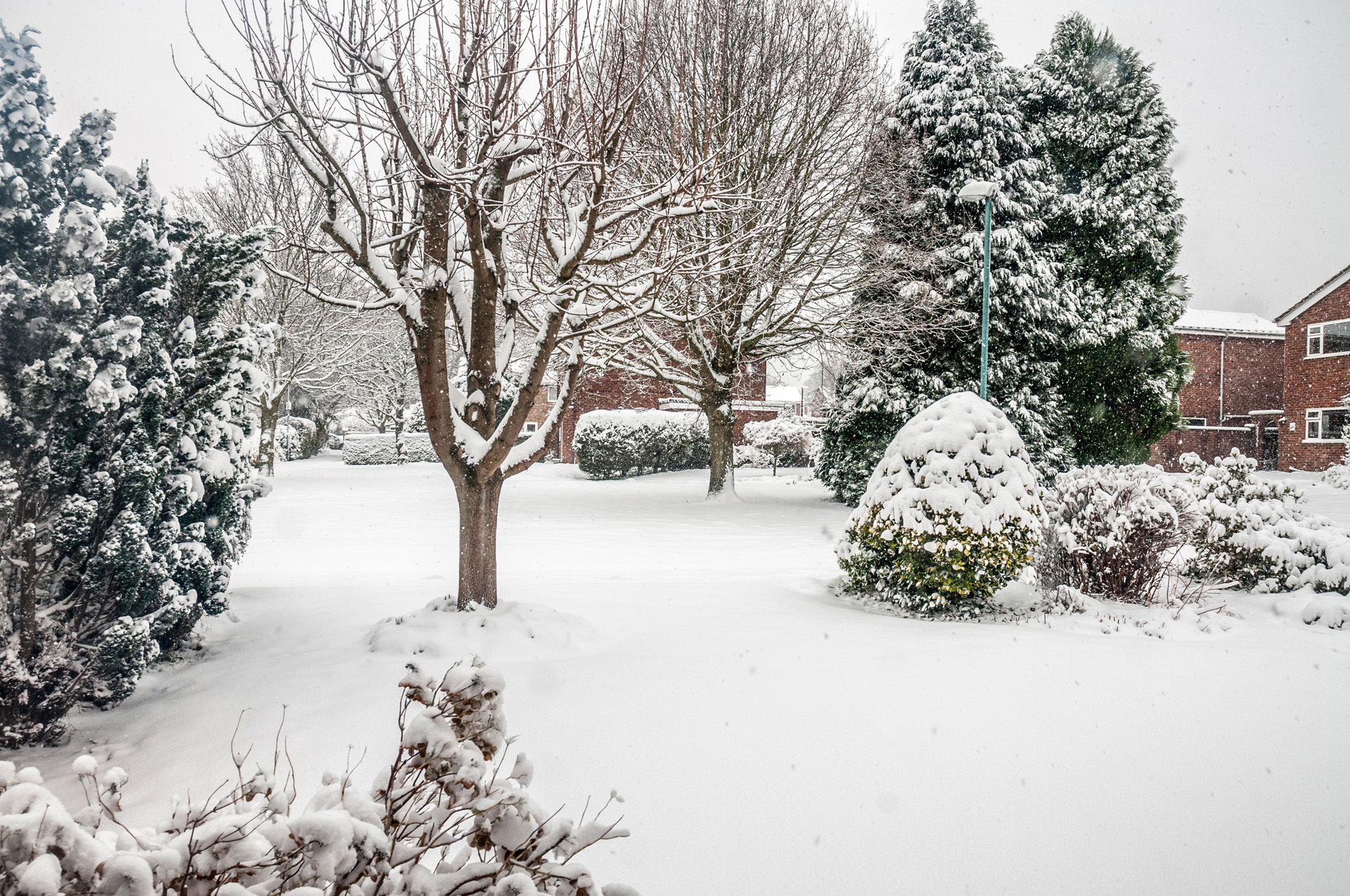
Winter in Northeast Ohio can be brutal on lawns. Freezing temperatures, snow cover, ice, and constant freeze–thaw cycles often leave homeowners staring out the window in January or February wondering: Did my lawn survive this winter? More often than not, what looks like damage is simply your grass doing exactly what it’s supposed to do.
Understanding lawn dormancy—and knowing the difference between normal winter stress and real damage—can save you unnecessary worry and help you make smarter decisions before spring arrives. In this guide, we’ll break down how grass survives Ohio winters, what winter lawn damage really looks like, and what homeowners in Northeast Ohio can do now to prepare for a strong spring green-up.
What Is Lawn Dormancy?
Dormancy is a natural survival mechanism for grass. When temperatures drop and daylight decreases, cool-season grasses common in Ohio—such as Kentucky bluegrass, perennial ryegrass, and fescues—slow their growth and conserve energy. Instead of pushing green blades upward, the grass shifts its focus to protecting the crown and root system.
Dormant grass isn’t dead. It’s resting.
During dormancy:
- Top growth slows or stops entirely
- Grass color fades from green to tan or straw-like
- Energy is stored in the roots and crown
This process allows turfgrass to withstand freezing temperatures, snow cover, and periods of limited sunlight. In Northeast Ohio, dormancy is not only normal—it’s essential.
How Grass Survives Ohio Winters
Ohio winters are unpredictable. One week may bring single-digit temperatures and snow, while the next brings rain and a thaw. Cool-season grass has adapted to handle these swings through several key mechanisms:
Crown Protection
The crown is the most critical part of the grass plant. It sits just above the soil surface and is where new growth originates. As long as the crown remains healthy, the grass can regrow—even if the blades above it look rough.
Root Energy Storage
Before winter sets in, healthy lawns store carbohydrates in their roots. These reserves fuel spring green-up and recovery from winter stress. This is why fall lawn care—fertilization, weed control, and soil health—matters so much.
Insulation from Snow
Believe it or not, snow can be a good thing. A consistent snow cover acts as insulation, protecting grass from extreme cold and drying winter winds.
Is Winter Lawn Damage Permanent?
In most cases, no. What homeowners interpret as winter damage is often just dormancy or temporary stress. True permanent damage is far less common than people think.
That said, winter can cause real problems under certain conditions.
Common Types of Winter Lawn Damage in Northeast Ohio
1. Winter Desiccation
Cold winds combined with frozen soil can dry out grass blades, especially in exposed areas. The lawn may appear gray, brittle, or straw-like.
Good news: This damage is usually cosmetic and corrects itself as temperatures rise and moisture returns.
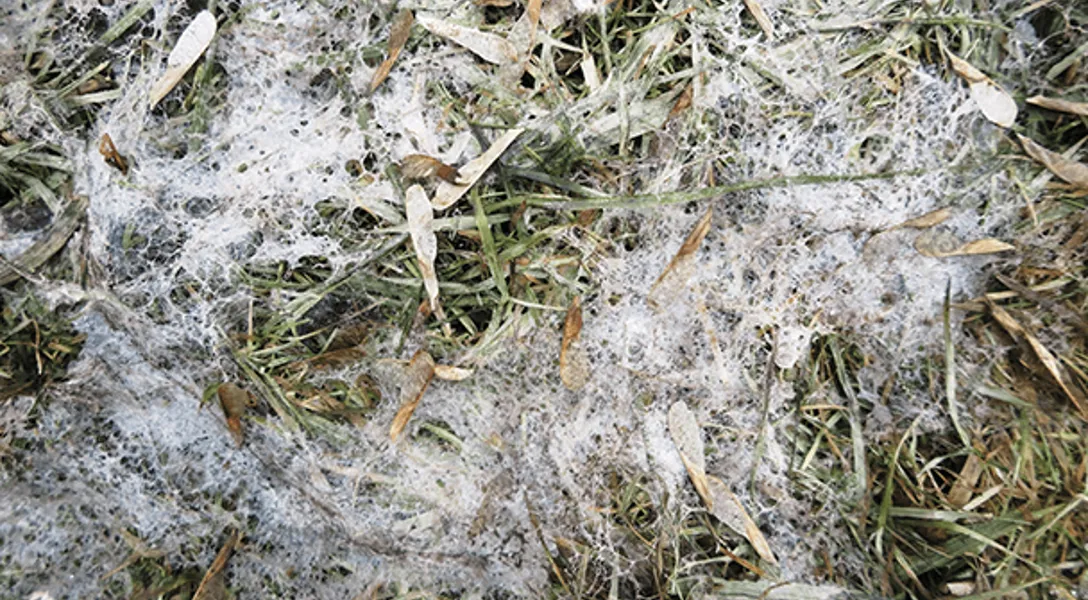
2. Snow Mold
Snow mold appears as circular patches of matted, straw-colored grass after snow melts. It’s more common when snow sits on unfrozen ground for extended periods.
Good news: Snow mold rarely kills grass. Most lawns recover fully with proper spring care.
3. Ice Damage
Extended ice cover can limit oxygen exchange and stress turf. This is more likely during winters with repeated freeze–thaw cycles.
Good news: Even ice-damaged lawns often recover with time, nutrients, and proper soil conditions.
4. Traffic Damage
Walking, driving, or allowing pets on frozen grass can break brittle blades and compact soil.
Good news: Blade damage looks worse than it is. The crown usually survives.
Dormancy vs. Real Damage: How to Tell the Difference
If you’re unsure whether your lawn is dormant or damaged, look for these signs:
Signs Your Lawn Is Dormant
- Uniform tan or light brown color
- Grass feels flexible, not mushy or rotten
- No foul smell
- No exposed soil or bare patches
Signs of Real Damage
- Patchy, irregular bare areas
- Crown pulls easily from the soil
- Slimy or rotting texture
- Strong odor after snow melt
A simple tug test can help. Gently pull on the grass blades. If they resist and stay rooted, the lawn is alive.
Why Spring Lawns Start in Winter
One of the biggest misconceptions about lawn care is that nothing matters until spring. In reality, winter is a planning phase—not a dead zone.
Lawns that green up quickly and evenly in spring almost always had:
- Proper fall fertilization
- Controlled weed pressure
- Healthy soil structure
- Minimal compaction
At Greener Grass Organic Lawn Care, we often remind homeowners that spring success is built months earlier.
What Homeowners Can Do Right Now
Even in January or February, there are smart steps homeowners in Northeast Ohio can take:
Avoid Excess Traffic
Stay off frozen lawns whenever possible. This reduces crown damage and soil compaction.
Manage Snow Piles
Avoid piling snow repeatedly in the same area, especially near driveways and sidewalks.
Plan Your Lawn Care Program
Now is the ideal time to line up services like:
- Lawn fertilization
- Weed control
- Grub control
- Aeration and overseeding
- Tick, flea, and mosquito control
Early planning ensures your lawn gets what it needs at the right time.
How Professional Lawn Care Helps Spring Recovery
Professional lawn care programs are designed around seasonal timing—not reaction.
At Greener Grass Organic Lawn Care, our approach focuses on:
- Balanced lawn fertilization to support root strength
- Targeted weed control to prevent early spring takeover
- Soil health improvements that promote thick, resilient turf
- Aeration and overseeding when conditions are right
We serve homeowners throughout Northeast Ohio, including communities within roughly 30 miles of Canton, such as North Canton, Massillon, Louisville, Alliance, Hartville, Green, Jackson Township, Canal Fulton, and surrounding areas.
When to Worry—and When Not To
It’s normal for lawns in Ohio to look rough coming out of winter. Patience is key.
You should wait until consistent spring temperatures before assuming damage is permanent. Many lawns that look concerning in March rebound beautifully by late April or early May.
If areas still fail to respond after proper fertilization, warmer soil temperatures, and normal rainfall, that’s when overseeding or renovation may be needed.
-
Final Thoughts: Dormant Doesn’t Mean Dead
If your lawn looks brown, flat, or lifeless in winter, don’t panic. Dormancy is a sign your grass is doing its job—protecting itself until better days arrive.
Understanding the difference between winter dormancy and real damage empowers homeowners to make smarter decisions and avoid unnecessary fixes. With the right care, preparation, and timing, most Northeast Ohio lawns bounce back stronger than ever.
And when spring finally shows up? That’s when all the quiet work done behind the scenes pays off.
If you’re dreaming of greener days, now is the time to plan for them.

What Homeowners Should Do in January
Even though treatments wait until spring, homeowners can still help their lawn now.
✅ Limit Foot Traffic
Avoid unnecessary walking across frozen or snow-covered grass.
✅ Distribute Snow When Possible
Prevent large, compacted piles on turf.
✅ Keep Lawn Surfaces Clear
Remove debris before heavy snowfall when possible.
✅ Observe & Take Notes
Pay attention to:
- Traffic patterns
- Snow pile locations
- Areas that stay wet or icy longer
These insights are valuable when starting or adjusting a professional lawn care program.
Why January Is the Right Time to Plan Spring Lawn Care
January is one of the best times to:
- Research lawn care companies
- Lock in spring service
- Avoid last-minute scheduling delays
- Start the season with a clear plan
As temperatures rise, lawn care schedules fill quickly — especially across high-demand areas like Hudson, Stow, Kent, Medina, and Canton.
By planning early, homeowners ensure:
- Timely spring applications
- A smoother transition out of winter
- Better overall results for the entire growing season