

Fall Aeration and Overseeding in Ohio: A Comprehensive Guide
For Ohio homeowners, fall presents a prime opportunity to revitalize outdoor spaces through aeration and overseeding. These essential practices address common issues faced by Ohio lawns, such as soil compaction and thinning grass. Aeration improves soil structure, enhances nutrient absorption, and promotes better water penetration – critical factors for managing Ohio’s clay-heavy soils and variable precipitation patterns. Overseeding complements this by increasing grass density, introducing newer, more resilient grass varieties, and filling in bare spots.
This guide offers step-by-step instructions for both processes, tailored to Ohio’s specific climate and soil conditions. It highlights the synergistic benefits of combining these techniques, typically best performed in early to mid-fall to take advantage of cooler temperatures and increased rainfall. The post also addresses common pitfalls, such as improper timing or seed selection, to ensure optimal results. By implementing these practices, Ohio residents can create healthier, more drought-resistant outdoor spaces capable of withstanding the state’s diverse weather conditions year-round.
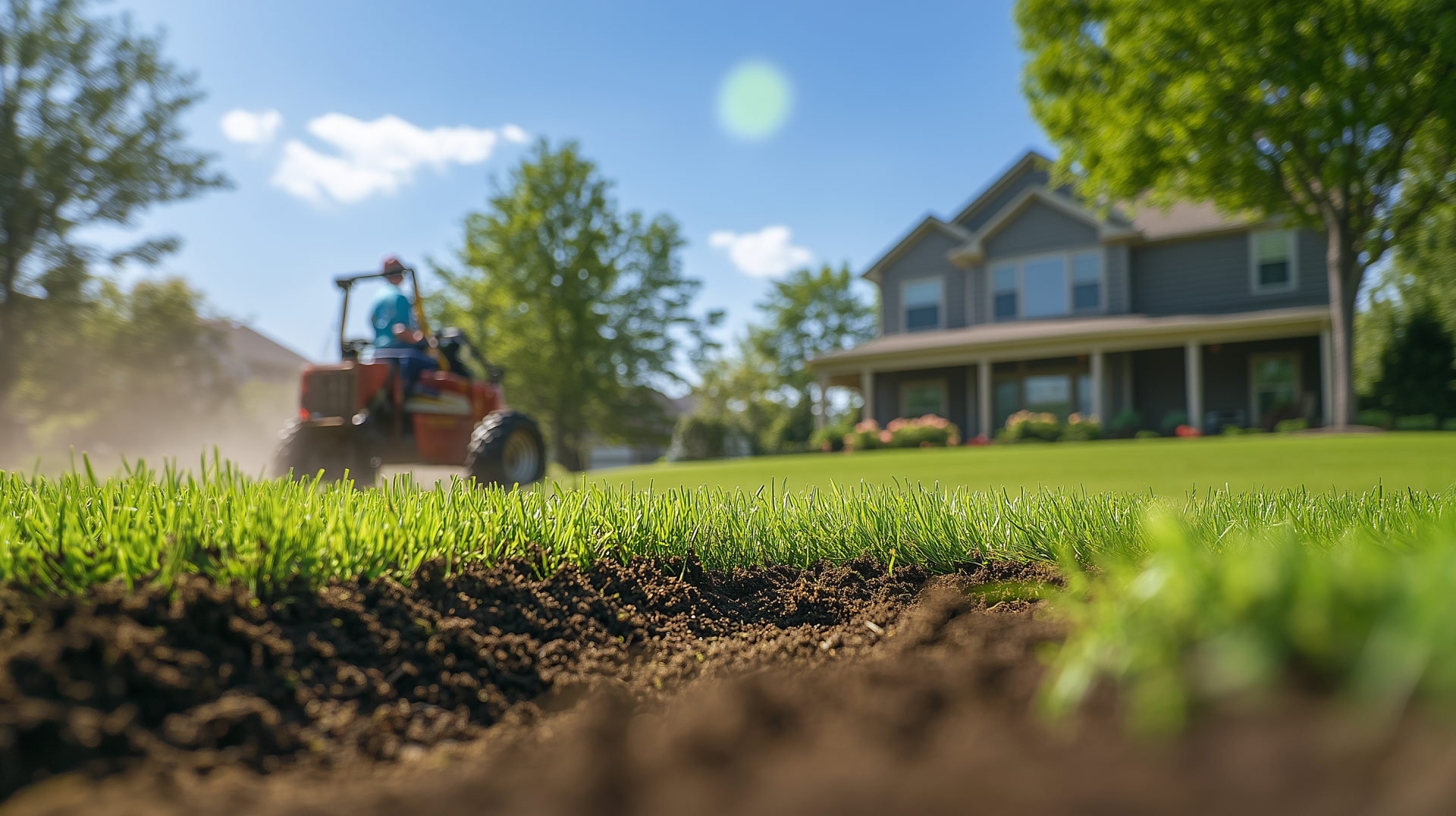
Fall Lawn Care: The Importance of Aeration and Overseeding in Ohio
As autumn arrives in Ohio, it’s time for homeowners to focus on key lawn maintenance tasks. Fall is ideal for two crucial practices: aeration and overseeding. These techniques can significantly improve the health and appearance of your yard. Let’s explore why these processes are important and how to implement them for a stronger, more resilient lawn.
The Dynamic Duo: Aeration and Overseeding
Imagine your soil as a sponge that’s become compacted over time. Aeration is like giving that sponge a deep tissue massage, creating pathways for air, water, and nutrients to penetrate deep into the root zone. Overseeding, on the other hand, is like rejuvenating your yard with fresh, young grass that’s eager to grow and thrive. When combined, these practices create a synergy that can dramatically improve the health and appearance of your outdoor area.
Benefits of Aeration: Unlocking Your Soil’s Potential
- Soil Structure Improvement: Ohio’s clay-heavy soils are prone to compaction. Aeration breaks up this compaction, allowing roots to breathe and expand.
- Enhanced Nutrient Absorption: By creating channels in the soil, aeration helps fertilizers and organic matter reach the root zone more effectively.
- Better Water Penetration: Improved soil structure means better water retention and less runoff, crucial for managing Ohio’s variable precipitation patterns.
- Reduced Thatch Buildup: Aeration helps beneficial microorganisms break down thatch, preventing it from choking out your grass.
- Stronger Root Systems: With more space to grow, roots develop deeper and stronger, increasing drought resistance and overall plant health.
Benefits of Overseeding: Reinvigorating Your Yard
- Increased Grass Density: Fill in bare spots and thin areas for a lusher, more uniform appearance.
- Improved Resistance: New grass varieties can offer better resistance to pests and diseases common in Ohio.
- Enhanced Color and Appearance: Introduce newer, more attractive grass species to rejuvenate your yard’s overall look.
- Adaptation to Changing Conditions: Select grass types that are well-suited to Ohio’s climate and can withstand local stressors.
Step-by-Step Guide to Aeration
-
- Choose the Right Equipment: For Ohio’s often heavy soils, a core aerator is typically the most effective. These machines remove small plugs of soil, creating ideal channels for air and water.
- Prepare the Area: Mow your grass slightly shorter than usual and ensure the soil is moist but not waterlogged. Mark any irrigation heads or hidden obstacles.
- Perform the Aeration:
-
-
- Make multiple passes over the area, especially in heavily compacted zones.
- Focus on high-traffic areas and spots where water tends to pool.
- Leave the soil cores on the surface; they’ll break down and return nutrients to the soil.
-
- Post-Aeration Care:
-
- Water the area thoroughly to help the soil settle.
- Avoid heavy foot traffic for a few days to allow the soil to recover.
Step-by-Step Guide to Overseeding
-
- Select the Appropriate Seed: For Ohio, a mix of Kentucky bluegrass, perennial ryegrass, and fine fescues often works well. These cool-season grasses thrive in our climate.
- Prepare the Soil:
-
-
- Rake the area to remove dead grass and create a good seed bed.
- If you’ve just aerated, you’re already a step ahead!
-
- Spread the Seed:
-
-
- Use a broadcast spreader for even coverage.
- Aim for about 3-4 pounds of seed per 1,000 square feet for overseeding.
- Lightly rake the area to ensure good seed-to-soil contact.
-
- Water and Care:
-
- Keep the soil consistently moist for the first 10-14 days.
- Once seedlings emerge, gradually reduce watering frequency but increase duration.

Combining Aeration and Overseeding: The Perfect Partnership
Performing these tasks together maximizes their effectiveness. The holes created by aeration provide ideal germination spots for new seeds, increasing their chances of survival. In Ohio, aim to complete both tasks in early to mid-fall, typically September to early October. This timing allows new grass to establish before winter while taking advantage of fall’s cooler temperatures and increased rainfall.
Common Mistakes to Avoid
- Improper Timing: Don’t wait until late fall when frost can damage new seedlings.
- Using the Wrong Seed: Avoid warm-season grasses or mixes not suited to Ohio’s climate.
- Inadequate Watering: Consistent moisture is crucial for seed germination and establishment.
By implementing these practices, you’re not just improving your yard’s appearance; you’re creating a more sustainable, resilient outdoor space that can better withstand Ohio’s diverse weather conditions. From harsh winters to summer droughts, a well-aerated and overseeded yard is better equipped to handle whatever Mother Nature throws its way.
Improving Ohio Lawns: Next Steps for Fall Aeration and Overseeding
Fall aeration and overseeding are key practices for maintaining healthy lawns in Ohio. These techniques address soil compaction, enhance nutrient uptake, and introduce new grass varieties suited to our local climate. The best time for Ohio homeowners to perform these tasks is early to mid-fall, when cooler temperatures and increased rainfall support optimal growth. These practices help lawns across Ohio – from Cleveland to Columbus to Cincinnati – withstand our state’s varied weather conditions. A well-maintained lawn is better equipped to handle both winter frost and summer heat.
If you’re unsure about how to proceed with aeration and overseeding for your specific property, consider seeking expert advice. Professional lawn care services can provide tailored solutions based on your lawn’s unique needs and local conditions. To get started on improving your lawn, call (330) 946-5389 or use our online contact form to schedule a consultation. Taking action now can lead to a healthier, more resilient lawn for the coming year.