
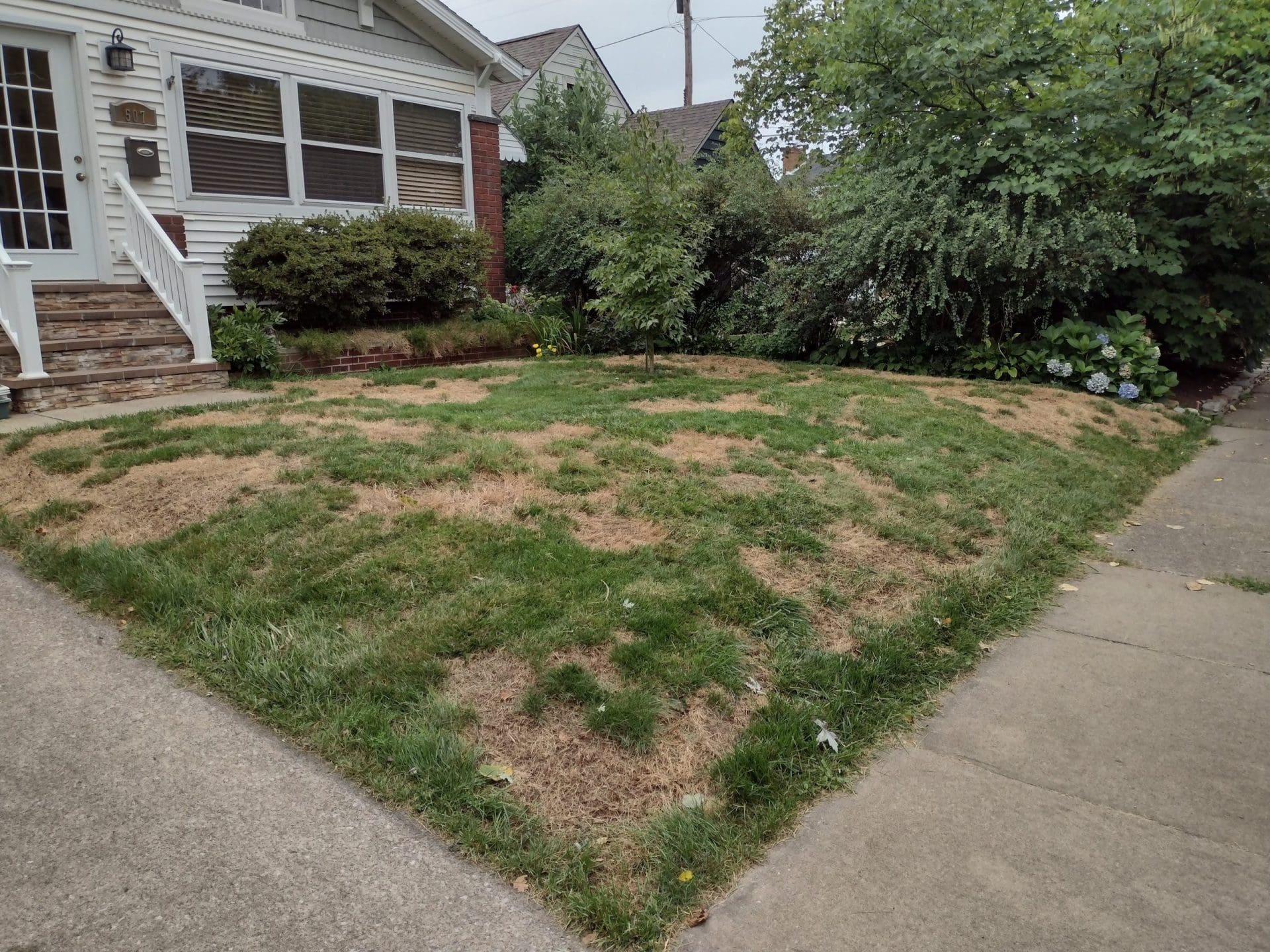
Grubs, the larvae of beetles like Japanese beetles and June bugs, are a hidden threat to lawns in Canton, OH, and surrounding areas. While these pests remain dormant in winter, now is the crucial time to plan your spring grub control strategy. In this guide, we’ll explore why winter planning is essential, how to identify signs of past grub damage, and how to develop an effective treatment plan for when temperatures warm up.
What Are Grubs and Why Are They a Problem?
Grubs are small, C-shaped larvae that live in the soil and feed on grass roots. While they might seem harmless due to their size, their feeding can cause significant damage, leading to:
- Dead Patches in Your Lawn: Grubs sever grass roots, leaving brown or bare spots behind.
- Increased Vulnerability: Weak grass is more susceptible to disease, weeds, and drought stress.
- Attracting Animals: Skunks, raccoons, and birds dig up lawns to feed on grubs, compounding the damage.
In Ohio’s climate, grubs become active again as the soil warms in early spring. If left untreated, they can quickly destroy large sections of your lawn.
Why Planning for Grub Control Now Makes Sense
December is the perfect time to prepare your lawn care strategy. Here’s why winter planning offers strategic advantages:
Assessment and Documentation
Winter provides an ideal opportunity to evaluate past damage patterns and create a comprehensive treatment plan for spring. By documenting affected areas now, you can target treatments more effectively when soil temperatures reach optimal levels.
Early Preparation Ensures Timely Treatment
By planning during winter months, you’ll be ready to apply treatments as soon as soil temperatures reach 55°F in spring. This preparation ensures you won’t miss critical treatment windows when grubs become active.
Time to Research and Compare Options
Use the winter months to research treatment methods, compare products, and consult with professionals about the best approach for your specific lawn situation.
A Long-Term Investment
Strategic planning now leads to more effective grub control when treatments can be applied. This systematic approach helps break the cycle of infestation for future seasons.

How to Spot Grub Damage in Your Lawn
Even in the off-season, knowing what grub damage looks like can help you assess the health of your lawn. Here are key signs to look for:
- Spongy or Loose Grass: A lawn affected by grubs often feels spongy or lifts easily because the roots have been chewed away.
- Irregular Brown Patches: If your lawn has uneven, dead areas that don’t respond to watering or fertilization, grubs could be the culprit.
- Increased Animal Activity: Watch for animals digging or foraging on your lawn. They may be searching for grubs hidden beneath the surface.
- Thinning Grass in Fall: Though less obvious in winter, lawns already weakened by grubs might show signs of thinning before the frost arrives.
These indicators are easiest to spot earlier in the season, but keeping them in mind during winter ensures you’ll know what to look for as spring approaches.
Effective Winter Grub Control Methods
Treating grubs during the off-season requires a strategic approach focused on planning and preparation. Here’s a comprehensive breakdown of winter strategies:
Understanding Treatment Windows
The key to successful grub control is timing. While active treatments are most effective during warmer months (when soil temperatures reach 55°F and above), winter is crucial for planning and prevention. Here are the strategies to implement during the cold season:
- Professional Assessment and Planning
Winter provides an excellent opportunity for lawn evaluation and strategic planning:
- Evaluate the lawn’s current condition
- Document existing damage patterns
- Create a season-long treatment timeline
- Research and compare treatment options
- Plan optimal timing for spring and summer applications
- Soil Health Preparation
Focus on strengthening your lawn’s natural defenses:
- Conduct soil testing to understand nutrient needs
- Plan spring fertilization schedules
- Document areas requiring special attention when temperatures warm
- Develop strategies for improved drainage and root health
- Cultural Control Planning
While active treatments wait for warmer weather, prepare by:
- Creating a proper mowing height schedule for spring
- Developing an irrigation strategy
- Planning core aeration timing for the growing season
- Setting up a balanced fertility program
- Education and Monitoring
Use the winter months to:
- Learn to identify early signs of grub damage
- Map damaged areas for targeted spring treatment
- Monitor for wildlife activity that might indicate grub presence
- Document problem areas for focused attention when treatments become effective
The winter season, while not ideal for active treatments, serves as a crucial planning period for effective grub control. By using this time to prepare and educate yourself on proper treatment methods, you’ll be better positioned to implement effective control measures when soil temperatures become appropriate for treatment in the spring.
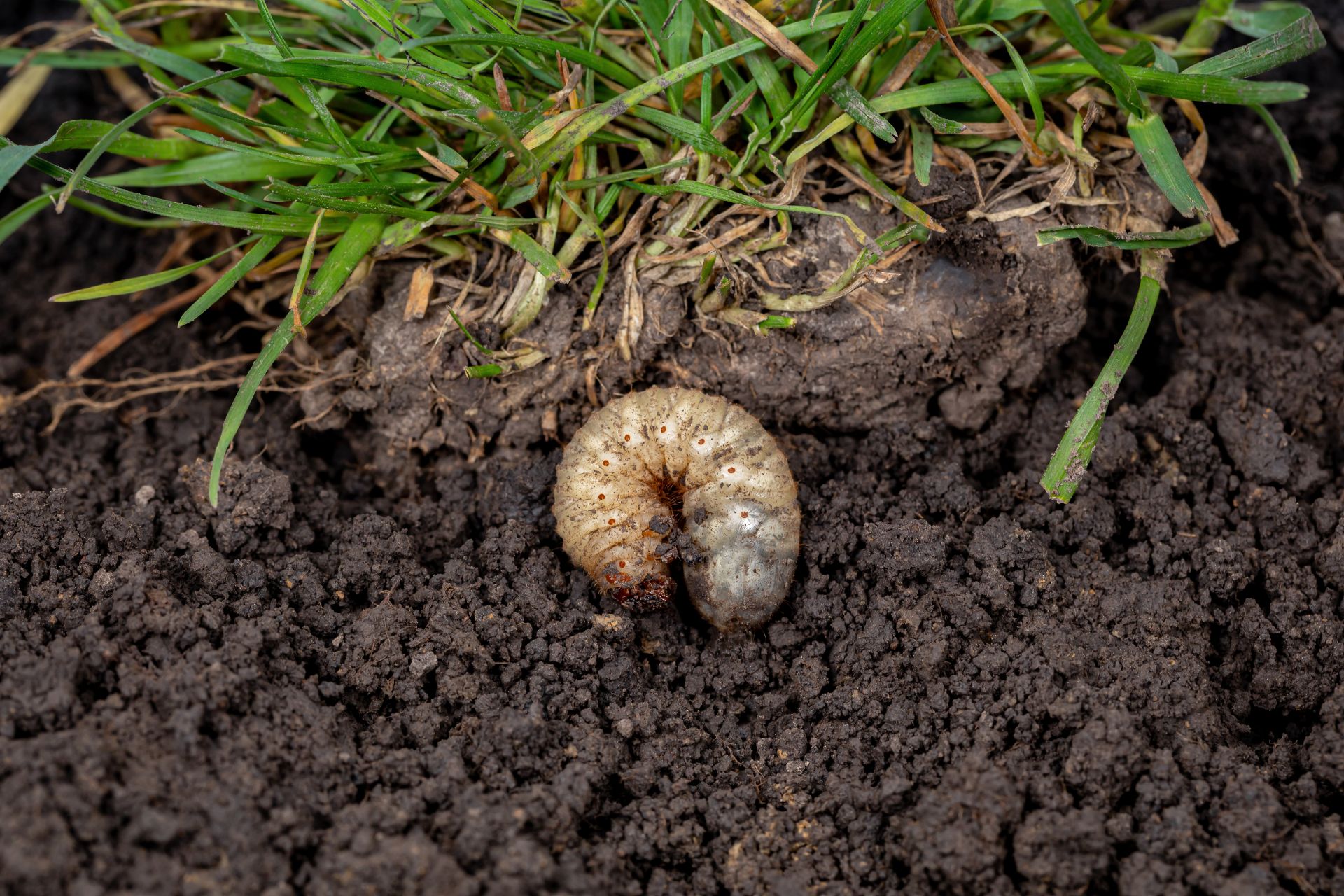
Preparing Your Lawn for a Healthy Spring
Grub control is a critical part of maintaining a vibrant, resilient lawn, and December is the perfect time to take proactive steps. By addressing grubs during their dormant stage, you’ll prevent costly damage, ensure stronger root systems, and reduce future pest infestations. Whether you opt for targeted treatments, natural solutions, or a professional evaluation, the effort you invest now will pay off with a lush, green lawn come spring.
At Greener Grass, we specialize in tailored grub control plans that fit the unique needs of your lawn in Canton, OH, and surrounding areas. With our expertise, you can rest assured that your yard will be protected year-round. Call us today at (330) 355-8802 to schedule a consultation and start your journey toward a healthier lawn.